
Synthetic gypsum has become an increasingly important material in modern construction due to its consistent quality, environmental benefits, and wide range of applications. As construction industries continue to move toward more sustainable and efficient materials, synthetic plaster offers a reliable alternative to natural gypsum without compromising performance.
In simple terms, synthetic gypsum is not mined from the earth. Instead, it is produced as a byproduct of industrial processes and then refined for use in construction materials such as cement, plaster, and wallboard systems. Its growing adoption reflects a broader shift toward circular resource use and reduced industrial waste.
Table of Contents
What Is Synthetic Gypsum?
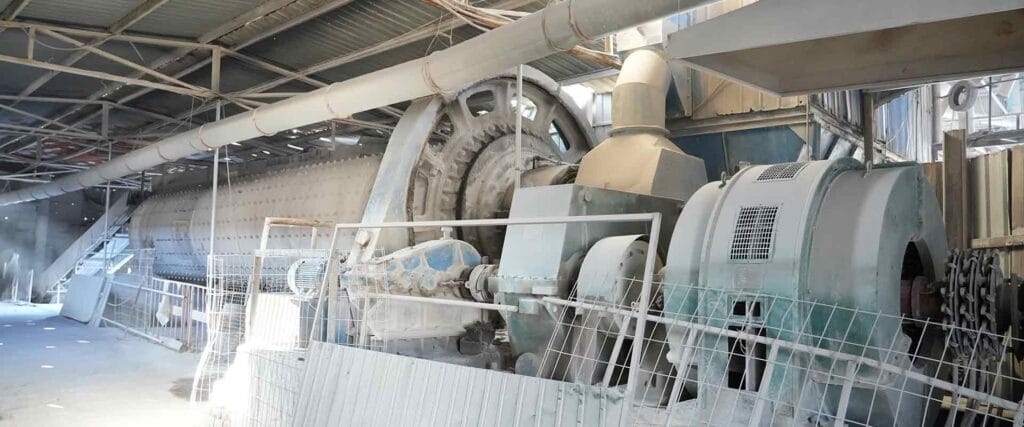
Synthetic gypsum is a chemically identical form of calcium sulfate dihydrate that is produced through industrial processes rather than natural mining. The most common source is flue gas desulfurization (FGD), a process used to remove sulfur dioxide from emissions in power generation and industrial operations.
During this process, sulfur compounds react with limestone or similar materials, forming gypsum as a byproduct. Once collected and purified, this material becomes synthetic plaster suitable for construction use.
What makes synthetic gypsum particularly valuable is its consistency. Unlike natural gypsum, which can vary in purity depending on geological conditions, synthetic plaster typically has a more uniform chemical composition, making it highly reliable for industrial applications.
Why Synthetic Gypsum Is Used in Construction
Synthetic gypsum is widely used because it provides both technical and environmental advantages. From a performance perspective, it behaves similarly to natural gypsum in cement and plaster systems. From a sustainability perspective, it reduces waste by repurposing industrial byproducts.
According to lifecycle assessment studies referenced in construction materials research journals, replacing natural gypsum with synthetic alternatives can reduce raw material extraction needs by up to 30–40 percent in certain cement production systems. This contributes to lower environmental impact and improved resource efficiency.
How Synthetic Gypsum Is Processed for Construction Use
Before synthetic plaster can be used in construction, it undergoes several processing steps:
Collection
The gypsum is collected as a byproduct from industrial emission control systems.
Dehydration and drying
Excess moisture is removed to stabilize the material.
Purification
Impurities such as fly ash or residual chemicals are removed to ensure consistency.
Grinding and classification
The material is finely ground into powder form suitable for cement and plaster applications.
Quality testing
Final material is tested for purity, particle size, and moisture content to ensure compliance with construction standards.
Key Benefits of Synthetic Plaster
Synthetic gypsum offers several advantages that make it a preferred material in modern construction systems:
- Consistent chemical composition and high purity
- Reduced environmental impact through industrial waste reuse
- Reliable performance in cement and plaster applications
- Cost efficiency compared to some natural gypsum sources
- Reduced dependency on mining operations
- Stable quality across large-scale production batches
These benefits make it especially valuable for industries focused on efficiency and sustainability.
Synthetic Gypsum vs Natural Gypsum
Understanding the differences between synthetic and natural gypsum helps clarify why synthetic options are gaining popularity.
| Feature | Synthetic Gypsum | Natural Gypsum |
|---|---|---|
| Source | Industrial byproduct | Mined mineral deposits |
| Purity | High and consistent | Variable |
| Environmental Impact | Lower (recycled material) | Higher (mining required) |
| Cost Stability | More stable | Market dependent |
| Availability | Depends on industrial output | Geological limits |
| Application Use | Cement, plaster, wallboard | Same applications |
This comparison shows that synthetic plaster offers a more controlled and sustainable supply chain, especially for large-scale construction needs.
Applications of Synthetic Gypsum in Construction
Synthetic gypsum is widely used in several key areas of construction:
Cement production
It is used to regulate setting time and improve cement performance.
Drywall and wallboard systems
It serves as a core material in gypsum boards used for interior partitions.
Plastering materials
It provides smooth finishes for interior walls and ceilings.
Soil stabilization
In some engineering applications, it is used to improve soil structure and reduce erosion.
These applications demonstrate its versatility across both structural and finishing systems.
Environmental Impact and Sustainability Value
One of the strongest reasons for using synthetic plaster is its environmental benefit. By converting industrial emissions into usable construction materials, it reduces landfill waste and supports circular economy principles.
Industry sustainability reports indicate that utilizing synthetic plaster in cement manufacturing can significantly reduce the need for virgin raw material extraction. It also helps lower carbon-related impacts associated with mining and transportation of natural gypsum.
For construction companies focused on environmental responsibility, synthetic plaster provides a practical way to align material choices with sustainability goals without sacrificing performance.
Common Considerations When Using Synthetic Gypsum
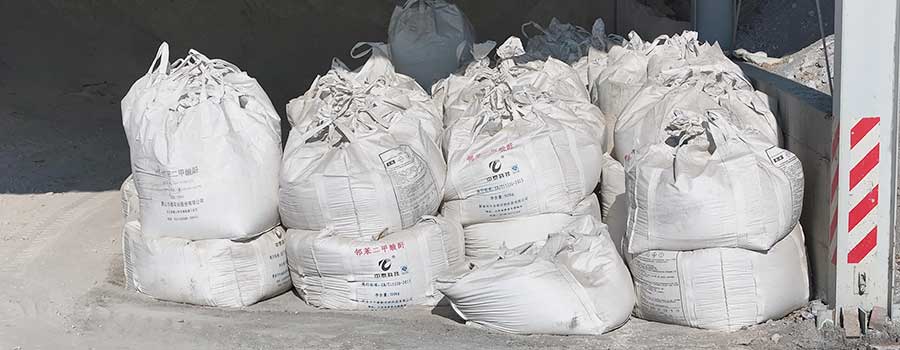
While synthetic gypsum offers many advantages, proper handling and quality control are important:
- Moisture content must be carefully managed to avoid clumping
- Impurity levels should be monitored to ensure consistent cement performance
- Storage conditions should prevent contamination or degradation
- Compatibility with other additives should be verified during formulation
By maintaining proper quality control, synthetic plaster can perform as reliably as traditional materials.
Conclusion
Synthetic gypsum is a modern construction material that combines performance reliability with environmental responsibility. Its consistent quality, wide application range, and sustainable production process make it a valuable alternative to natural gypsum in cement, plaster, and wall systems.
As the construction industry continues to prioritize efficiency and sustainability, synthetic gypsum is expected to play an even more important role in material innovation and resource optimization.
By understanding how it is produced and where it is used, you can better evaluate its potential for improving both performance and sustainability in your construction projects.
FAQ
What is synthetic gypsum?
Synthetic gypsum is a byproduct of industrial processes, such as flue gas desulfurization, and is chemically similar to natural gypsum used in construction.
Why is synthetic gypsum used in construction?
It is used because it offers consistent quality, reliable performance, and supports sustainable construction by recycling industrial byproducts.
Is synthetic plaster as good as natural gypsum?
Yes, in most applications it performs similarly or even more consistently due to its controlled chemical composition and purity.
What are the main uses of synthetic plaster?
It is commonly used in cement production, wallboard manufacturing, plastering materials, and some soil stabilization applications.
Is synthetic plaster environmentally friendly?
Yes, it helps reduce industrial waste and lowers the need for natural gypsum mining, making it a more sustainable construction material.
Need Help Choosing the Right Synthetic Gypsum for Your Construction Project?
If you’re unsure which synthetic plaster is best for your cement, plaster, or wallboard applications, our experts are here to help. Contact us today for a personalized consultation, and ensure your materials deliver consistent quality, stable performance, and sustainable results. Don’t compromise on efficiency—get in touch now to optimize your construction materials and improve project outcomes!