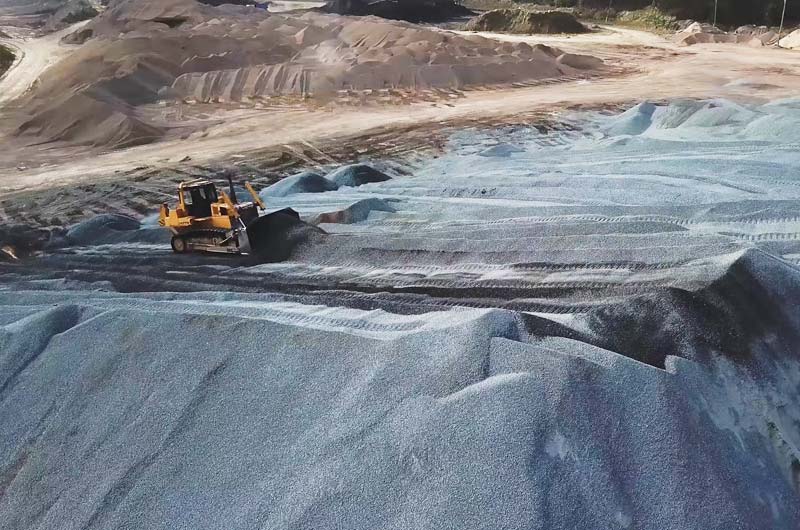
Cracking is one of the most common and frustrating issues in concrete construction. Whether you are working on slabs, foundations, walls, or pavements, cracks can reduce durability, weaken structural performance, and affect the overall appearance of a project.
The good news is that most concrete cracking is preventable. By understanding why cracks form and how to control key construction factors, you can significantly improve long-term performance and reliability.
This guide explains the main causes of cracking in concrete and practical methods to reduce or prevent it effectively.
Table of Contents
Why Concrete Cracks
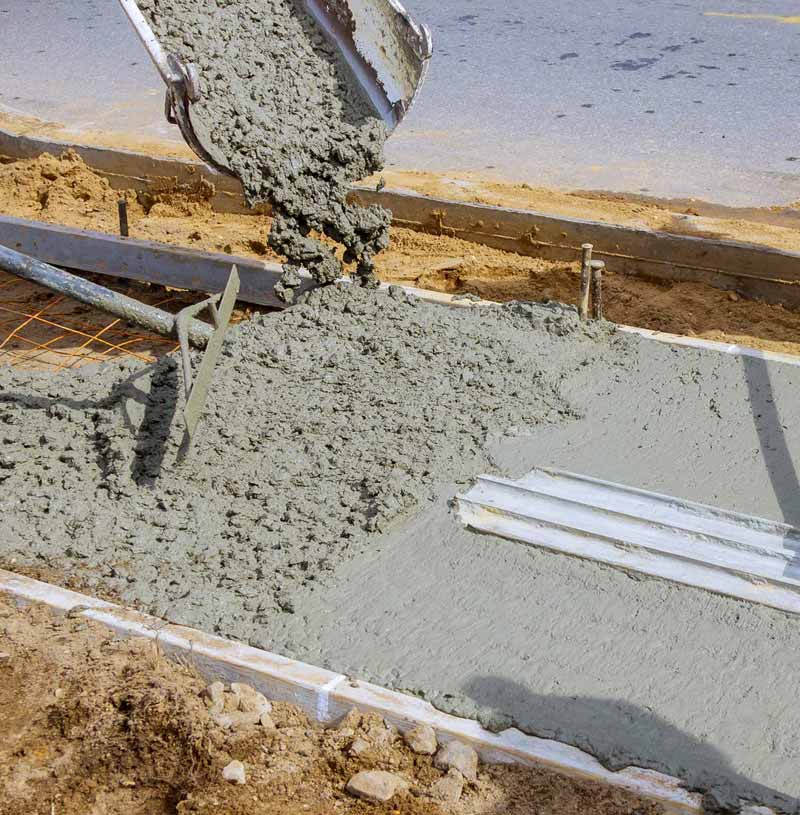
Concrete cracks mainly due to stress that exceeds its tensile strength. While concrete is very strong in compression, it is relatively weak in tension. When internal or external forces exceed its capacity, cracks begin to form.
Common causes include:
- Excess water in the mix
- Improper curing conditions
- Rapid drying or temperature changes
- Poor mix design or material quality
- Shrinkage during hydration
- Structural overload or movement
According to construction material performance studies referenced in concrete durability research literature, shrinkage-related cracking can account for a significant portion of early-age concrete defects, especially when curing practices are not properly controlled.
How to Reduce Cracking in Concrete
Reducing cracks in concrete requires a combination of good material selection, proper mix design, and correct construction practices.
Control the water-cement ratio
One of the most important factors is the water-cement ratio. Too much water increases porosity, weakens internal structure, and leads to higher shrinkage during drying. A well-balanced ratio improves density and reduces cracking risk.
Improve curing conditions
Proper curing allows concrete to retain moisture during the hydration process. This helps develop strength gradually and reduces surface shrinkage. Keeping concrete moist for at least several days significantly improves performance.
Use high-quality materials
The quality of cement, aggregates, and additives directly affects concrete behavior. Clean, well-graded aggregates reduce voids, while consistent cement ensures stable hydration.
Optimize mix design
A properly designed mix ensures balanced strength, workability, and durability. Poor mix design is one of the most common causes of cracking in construction projects.
Use reinforcement and control joints
Steel reinforcement helps distribute stress evenly, while control joints guide where cracks are likely to form. This reduces random cracking and improves structural integrity.
Add performance-enhancing additives
Additives such as plasticizers, shrinkage-reducing agents, and gypsum-based materials can improve workability and control setting behavior. In some advanced applications, industrial byproducts like fluorogypsum are also used as alternative materials to improve consistency and sustainability in concrete systems.
Key Methods Compared for Reducing Concrete Cracking
| Method | Effectiveness | Cost Impact | Ease of Use | Main Benefit |
|---|---|---|---|---|
| Reduce water-cement ratio | High | Low | Medium | Lower shrinkage |
| Proper curing | Very High | Low | Easy | Better strength development |
| Material quality control | High | Medium | Medium | Improved durability |
| Optimized mix design | Very High | Medium | Medium | Balanced performance |
| Reinforcement & joints | High | Medium | Medium | Controlled cracking |
| Chemical additives | High | Medium | Easy | Improved workability |
This comparison shows that the best results come from combining multiple methods rather than relying on a single solution.
The Role of Curing in Preventing Cracks
Curing is one of the most critical stages in concrete construction. Without proper curing, hydration stops too early, leading to weak surface layers and increased cracking.
Industry research on concrete durability indicates that well-cured concrete can achieve significantly higher strength and reduced shrinkage compared to poorly cured samples. Maintaining moisture and temperature stability during early stages is essential for long-term performance.
Common Mistakes That Lead to Cracking
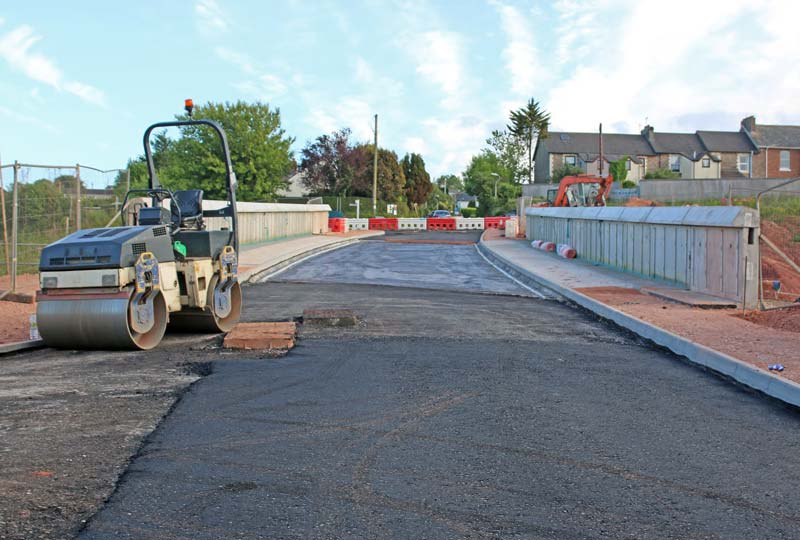
Many cracking issues come from avoidable construction mistakes:
Adding too much water for easier pouring
Skipping or shortening curing time
Ignoring temperature changes during placement
Using inconsistent material batches
Poor placement or compaction techniques
Even small deviations in these areas can significantly increase cracking risk.
Practical Tips for Better Concrete Performance
If you want more durable and crack-resistant concrete, consider these practical tips:
Measure materials accurately instead of estimating
Use mechanical mixing for uniform consistency
Avoid pouring concrete under extreme weather conditions
Apply curing compounds or coverings when needed
Test small batches before large-scale use
These simple practices can greatly improve long-term performance and reduce maintenance costs.
Conclusion
Reducing cracking in concrete is not about a single fix but about controlling multiple factors throughout the construction process. From mix design and curing to material selection and reinforcement, each step plays an important role in overall performance.
By applying proper techniques and understanding how concrete behaves during hydration and drying, you can significantly reduce cracking risks and extend the lifespan of your structures. High-quality materials, careful construction practices, and smart use of additives all work together to ensure stronger, more reliable concrete over time.
FAQ
Why does concrete crack?
Concrete cracks mainly due to shrinkage, temperature changes, excess water in the mix, and improper curing or construction practices.
How can I prevent cracks in concrete?
You can prevent cracks by controlling the water-cement ratio, using proper curing methods, adding reinforcement, and ensuring good mix design.
Does curing reduce cracking in concrete?
Yes, proper curing keeps concrete moist during hydration, which reduces shrinkage and significantly lowers the risk of cracking.
Can additives help reduce concrete cracking?
Yes, certain additives like plasticizers, shrinkage reducers, and gypsum-based materials can improve performance and reduce cracking risk.
Is cracking in concrete normal?
Small surface cracks can be normal due to shrinkage, but proper design and construction practices can minimize or control them effectively.