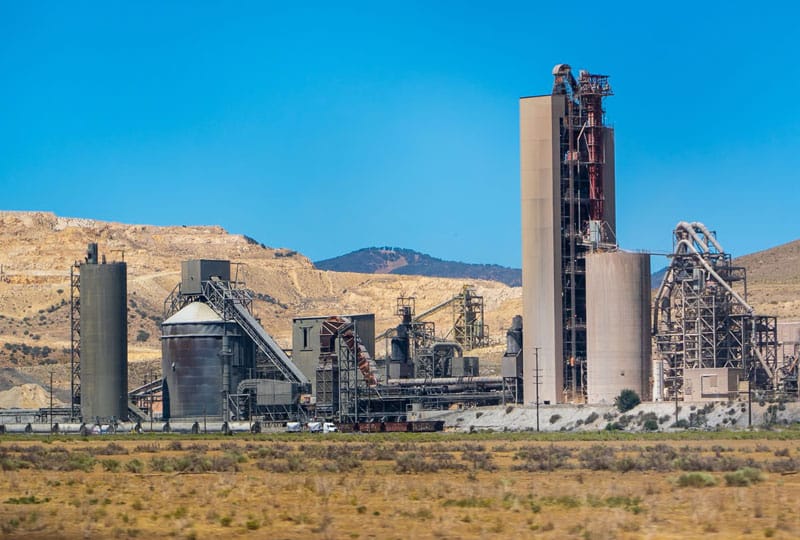
Building a high-output production line requires more than just raw material; it demands a deep understanding of how gypsum mills transform industrial byproducts into high-value construction assets. If you are managing a cement plant or a drywall manufacturing facility, you already know that the consistency of your grind determines the quality of your final product. However, many operators overlook the specific calibration needed when transitioning from natural rock to fluorogypsum. This guide provides the technical roadmap you need to optimize your milling operations for maximum throughput and chemical stability.
Table of Contents
Understanding the Mechanics of Modern Gypsum Grinding
When you integrate gypsum mills into your facility, you are not just buying a piece of machinery; you are investing in a chemical transformation process. The primary objective is to achieve a specific surface area (Blaine value) that allows for optimal hydration. For fluorogypsum, which originates as a fine-grained byproduct of hydrofluoric acid production, the milling requirements differ significantly from those of natural gypsum boulders.
Traditional ball mills or vertical roller mills must be adjusted to handle the unique flowability of synthetic sulfates. Because fluorogypsum often enters the mill with a higher initial moisture content than natural stone, your heat balance calculation becomes the most critical factor. You must ensure that the mill serves a dual purpose: grinding the material to the desired micron size while simultaneously flash-drying the particles to prevent clumping in your storage silos.
Optimizing Thermal Balance for Fluorogypsum Processing
One of the most common mistakes you might encounter in industrial milling is failing to account for the “internal micro-climate” of the mill. If your mill temperature exceeds 150°C, you risk unwanted dehydration, turning your gypsum into hemihydrate or anhydrite prematurely. Conversely, if the temperature is too low, the residual moisture in fluorogypsum creates a “coating effect” on the grinding media, drastically reducing your grinding efficiency.
The ideal operating window for most industrial gypsum mills processing fluorogypsum is between 90°C and 110°C. At this range, you facilitate the removal of surface moisture without compromising the structural integrity of the calcium sulfate dihydrate. By maintaining this thermal equilibrium, you ensure that the energy consumed by the mill is directed toward particle size reduction rather than battling internal humidity fluctuations.
Comparison of Grinding Systems for Industrial-Grade Operations
Selecting the right mill type depends on your specific output requirements and the physical state of your raw material. The following table provides a technical comparison to help you determine which system fits your current infrastructure.
| Mill Type | Primary Advantage | Best Suited For | Energy Consumption |
| Ball Mill | High reliability and fine grind | Large-scale cement plants | High |
| Vertical Roller Mill | Integrated drying and grinding | High-moisture fluorogypsum | Medium |
| Raymond Mill | Precise particle size control | Specialized plaster production | Medium-Low |
| Hammer Mill | High throughput for coarse prep | Pre-milling large aggregates | Low |
Case Study: Improving Throughput in a Cement Grinding Unit
Consider the case of a mid-sized cement manufacturing facility that recently switched from 100% natural gypsum to a 50/50 blend of natural stone and fluorogypsum. Initially, the plant reported a 15% drop in mill efficiency and frequent blockages in the separator. Upon technical audit, it was discovered that the fine particle size of the fluorogypsum was causing “air-cushioning” within the ball mill, preventing the grinding media from impacting the material effectively.
The solution involved two critical adjustments. First, the plant implemented a “staged feeding” system where the natural gypsum was fed into the mill 30 seconds before the fluorogypsum. This created a “carrier bed” of coarser material. Second, the air extraction rate was increased by 12% to evacuate the finer particles more rapidly. Within three weeks, the facility surpassed its original production capacity by 8%, proving that fluorogypsum, when milled correctly, actually enhances the overall grindability of the cement mix.
Managing the Acidity of Synthetic Gypsum During Milling
As an operator dealing with fluorogypsum, you must be vigilant about the residual acidity inherent in the byproduct. If your mill is not lined with acid-resistant alloys or if you do not implement a neutralization strategy, the lifespan of your grinding plates can be reduced by nearly 40%.
You can mitigate this by introducing a small percentage of hydrated lime or pulverized limestone directly into the mill feed. This internal neutralization process happens instantaneously during the grinding phase. As the gypsum mills breaks down the particles, the lime is intimately mixed with the sulfate, neutralizing any residual hydrofluoric acid. This not only protects your equipment but also results in a more stable, pH-neutral product that is safer for your downstream customers.
Quality Control Protocols for Milled Sulfates
Your reputation as a supplier or manufacturer rests on the consistency of your output. Implementing a real-time particle size analysis (PSA) system at the mill outlet is no longer a luxury—it is a necessity. In industrial grade transactions, a deviation of even 5% in the “passed 200 mesh” category can lead to rejected batches or compromised cement setting times.
You should establish a three-tier testing protocol:
- Hourly Fineness Tests: Using automated laser diffraction to ensure the mill is maintaining the target micron range.
- Moisture Checks: Every four hours to ensure the drying system within the mill is functioning correctly.
- Chemical Purity Analysis: Daily checks to confirm the calcium sulfate content remains above 90%, ensuring your fluorogypsum meets international building standards.
Future-Proofing Your Milling Infrastructure
The global shift toward sustainable construction means that the demand for resource-utilized fluorogypsum will only increase. By optimizing your gypsum mills today to handle synthetic byproducts, you are positioning your company at the forefront of the circular economy. This involves transitioning from “brute force” grinding to “precision milling,” where energy inputs are carefully balanced against the chemical needs of the material.
Invest in variable frequency drives (VFDs) for your mill motors. These allow you to adjust the rotational speed based on the hardness of the material being fed. Since fluorogypsum is generally softer than natural rock, reducing the mill speed can save up to 15% in electricity costs without sacrificing throughput. It is these small, data-driven adjustments that separate industry leaders from standard operators.
FAQ
What is the ideal fineness for fluorogypsum used in cement production?
For most cement applications, a fineness where 90% of the material passes through a 200-mesh (75-micron) screen is ideal. This ensures a sufficient surface area for the sulfate to react with the tricalcium aluminate in the cement clinker, effectively regulating the setting time.
How does moisture in fluorogypsum affect the mill’s performance?
High moisture levels (above 12%) can lead to “ball coating,” where a layer of damp gypsum sticks to the grinding media. This prevents the media from crushing the material. Integrated drying systems within the mill, using waste heat from the kiln, are the most efficient way to combat this issue.
Can I use a standard ball mill for both natural and fluorogypsum?
Yes, but you must adjust the “charge” of the grinding balls. Fluorogypsum requires a higher ratio of smaller grinding media to provide more contact points for the finer synthetic particles. Mixing the two materials usually yields the best results for standard industrial mills.
Why is pH monitoring important during the milling of fluorogypsum?
Since fluorogypsum is a byproduct of acid production, any residual acidity can corrode the internal components of your mill. Monitoring the pH and adding a neutralizing agent during the milling process ensures a longer equipment life and a higher-quality end product for construction use.
How can I reduce the energy consumption of my gypsum mills?
The most effective way is to implement a closed-circuit grinding system with a high-efficiency separator. This ensures that material that has already reached the target fineness is removed immediately, preventing “over-grinding” and allowing the mill to focus its energy on the coarser particles.
Need Expert Guidance on Fluorogypsum Integration?
If you are unsure about how to optimize your gypsum mills for synthetic sulfates or which grade of fluorogypsum best fits your cement production, our technical team is here to help. Contact us today for a personalized consultation to ensure your production line is efficient, cost-effective, and sustainable. Don’t compromise on batch consistency—get in touch now to secure a stable, high-purity supply for your industrial needs!