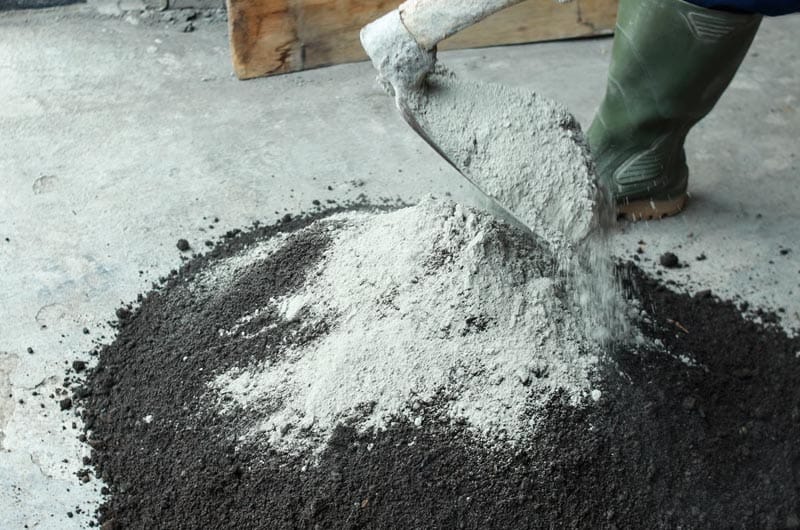
Industrial byproducts are playing an increasingly important role in modern construction. As the industry shifts toward more sustainable and resource-efficient practices, materials that were once considered waste are now being transformed into valuable construction inputs.
From cement production to road building and interior materials, industrial byproducts help improve performance while reducing environmental impact. This approach supports both cost efficiency and sustainability, making it a key trend in today’s construction sector.
Table of Contents
What Are Industrial Byproducts?
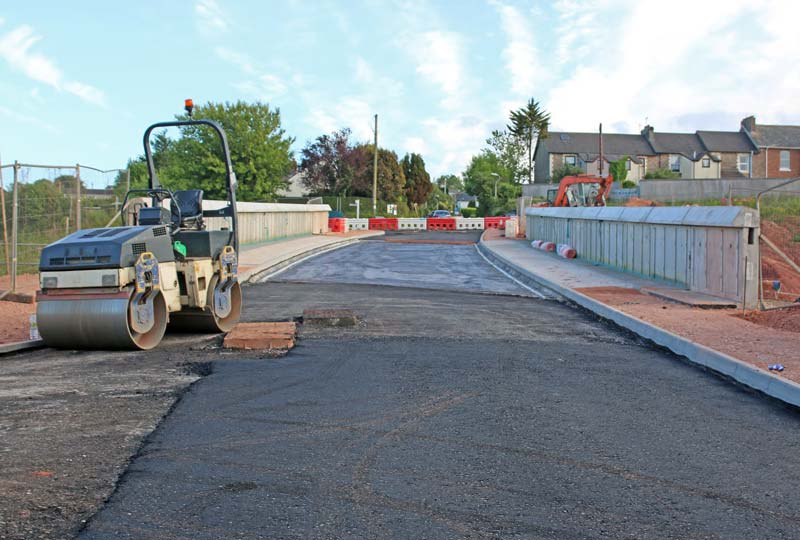
Industrial byproducts are secondary materials generated during manufacturing or industrial processes. Instead of being discarded, many of these materials can be processed and reused in construction applications.
Common examples include:
- Fly ash from energy production processes
- Slag from metal manufacturing
- Flue gas desulfurization gypsum (including forms such as fluorogypsum)
- Silica-rich residues from industrial production
According to construction materials lifecycle assessments referenced in sustainable engineering research, reusing industrial byproducts can significantly reduce raw material consumption and lower overall construction-related emissions.
Why Industrial By-Products Are Used in Construction
Industrial byproducts are widely used because they offer both environmental and technical benefits.
From an environmental perspective, they reduce waste disposal needs and decrease the demand for natural resource extraction. From a technical perspective, many byproducts enhance material performance, especially in cement and concrete systems.
Industry studies in cement chemistry and sustainable construction indicate that partial replacement of traditional raw materials with industrial by-products can improve durability and reduce production energy requirements.
Common Industrial Byproducts Used in Construction
Different industrial by-products serve different functions in construction systems. Below are some of the most widely used materials.
Fly ash
Used as a partial replacement for cement, improving workability and long-term strength.
Blast furnace slag
Enhances durability and resistance to chemical attack in concrete systems.
Fluorogypsum
A gypsum-based byproduct used in cement and plaster applications, offering consistent performance and supporting circular material use.
Silica fume
Improves density and strength in high-performance concrete.
Bottom ash
Used in road construction and lightweight fill applications.
Industrial Byproducts in Construction Applications
Industrial byproducts are used across a wide range of construction activities:
Cement production
Fly ash and slag are commonly used to partially replace clinker, reducing carbon emissions.
Concrete manufacturing
Byproducts improve workability, durability, and resistance to cracking.
Road construction
Materials like bottom ash are used as base layers and fill materials.
Wallboard and plaster systems
Gypsum-based byproducts are used in interior finishing materials.
Soil stabilization
Certain industrial residues improve soil strength and reduce erosion risks.
Comparison of Industrial Byproducts in Construction
| Byproduct Type | Main Function | Strength Impact | Environmental Benefit | Common Use |
|---|---|---|---|---|
| Fly Ash | Cement replacement | High | High | Concrete, cement |
| Blast Furnace Slag | Durability improvement | High | High | Structural concrete |
| Fluorogypsum | Gypsum substitute | Medium | High | Cement, plaster |
| Silica Fume | Strength enhancement | Very High | Medium | High-performance concrete |
| Bottom Ash | Lightweight fill material | Low-Medium | High | Road construction |
This comparison shows how industrial by-products contribute differently depending on their composition and application.
Benefits of Using Industrial By-Products
Industrial byproducts offer multiple advantages in construction systems:
Environmental sustainability
They reduce waste and lower the need for raw material extraction.
Cost efficiency
Many byproducts are more affordable than virgin materials.
Improved material performance
Some byproducts enhance strength, durability, and workability.
Resource optimization
They support circular economy principles by reusing industrial waste streams.
According to sustainability assessments in construction engineering literature, integrating industrial byproducts into cement and concrete systems can significantly reduce embodied carbon in building materials.
How Industrial Byproducts Improve Concrete and Cement
In cement and concrete systems, industrial by-products play a functional role in improving performance.
They help refine particle structure, reduce permeability, and improve hydration behavior. For example, fly ash improves workability while slag enhances long-term strength development.
Gypsum-based byproducts such as fluorogypsum help regulate setting time in cement systems, ensuring better control during construction.
Environmental Impact and Sustainability Value
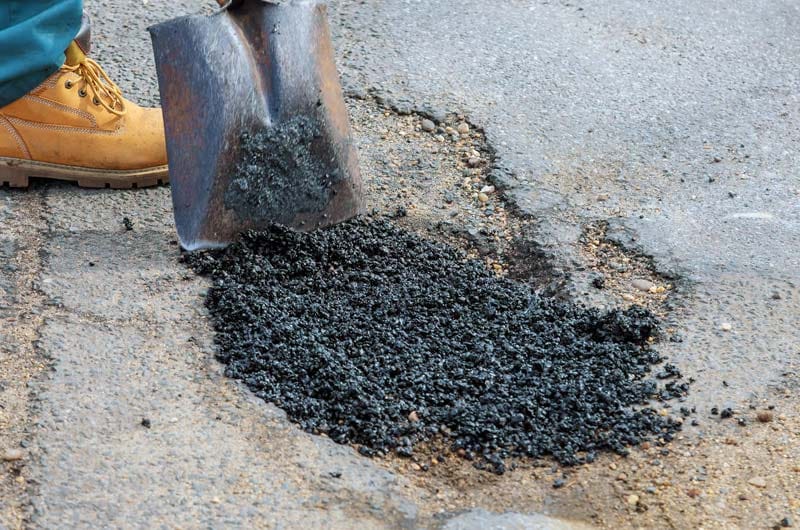
One of the most important advantages of industrial by-products is their contribution to sustainability.
By reusing materials that would otherwise be disposed of, construction projects reduce landfill waste and lower demand for natural resource extraction.
Industry lifecycle studies show that replacing a portion of traditional cement components with industrial byproducts can significantly reduce CO₂ emissions associated with material production.
This makes them a key part of modern sustainable construction strategies.
Challenges in Using Industrial By-Products
Despite their advantages, industrial byproducts must be properly managed:
- Variability in material quality depending on source
- Need for proper processing and testing
- Compatibility issues with certain mix designs
- Storage and handling requirements
Proper quality control ensures consistent performance in construction applications.
Practical Tips for Using Industrial By-Products
To achieve the best results when using industrial by-products:
Test material composition before large-scale use
Use standardized mix designs where possible
Ensure compatibility with cement and aggregates
Follow industry guidelines for dosage and processing
Work with reliable suppliers for consistent quality
These steps help ensure safe and effective integration into construction systems.
Conclusion
Industrial byproducts are transforming the construction industry by turning waste materials into valuable resources. From fly ash and slag to gypsum-based materials like fluorogypsum, these byproducts improve performance while supporting sustainability goals.
By understanding how industrial by-products are used and how they function in different construction systems, you can make more informed decisions that enhance both efficiency and environmental responsibility.
As construction continues to evolve, the use of industrial byproducts will remain a key driver of innovation, sustainability, and material optimization.
FAQ
What are industrial byproducts in construction?
Industrial byproducts are secondary materials from manufacturing processes, such as fly ash, slag, and gypsum-based residues, that can be reused in construction applications.
Why are industrial by-products used in construction?
They are used to reduce waste, lower environmental impact, and improve material performance in cement, concrete, and other building systems.
Are industrial by-products safe to use in construction?
Yes, when properly processed and tested, industrial by-products meet construction standards and perform reliably in many applications.
What are the most common industrial by-products used in construction?
Common examples include fly ash, blast furnace slag, silica fume, bottom ash, and gypsum-based byproducts like fluorogypsum.
Do industrial by-products improve concrete quality?
Yes, many industrial by-products enhance strength, durability, workability, and long-term performance of concrete and cement systems.
Need Help Choosing the Right Industrial Byproducts for Your Construction Project?
If you’re unsure which industrial byproducts are best suited for your cement, concrete, or building applications, our experts are here to help. Contact us today for a personalized consultation, and ensure your materials deliver optimal performance, sustainability, and cost efficiency. Don’t compromise on quality—get in touch now to improve your construction results with confidence!