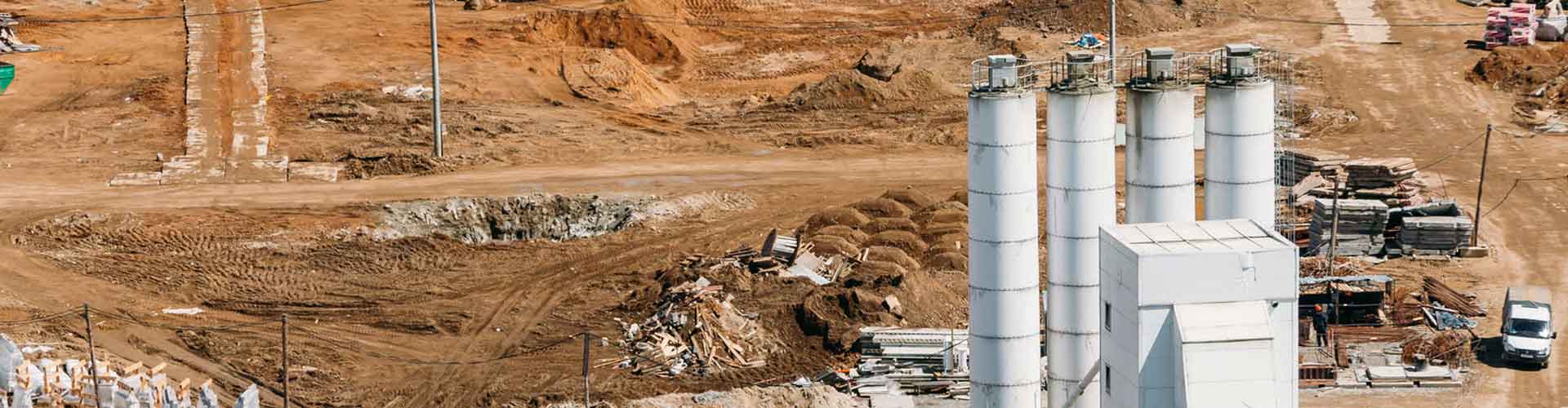
The construction industry is undergoing a major transformation driven by sustainability goals, carbon reduction targets, and the demand for more efficient building systems. In 2026, eco-friendly construction materials are no longer just an optional choice—they are becoming a standard requirement in modern projects.
Whether you are working on residential, commercial, or infrastructure development, selecting the right construction materials can significantly impact environmental performance, cost efficiency, and long-term durability.
This guide explores the most important eco-friendly construction materials in 2026, how they perform, and why they are shaping the future of sustainable building.
Table of Contents
What Makes Construction Materials Eco-Friendly?
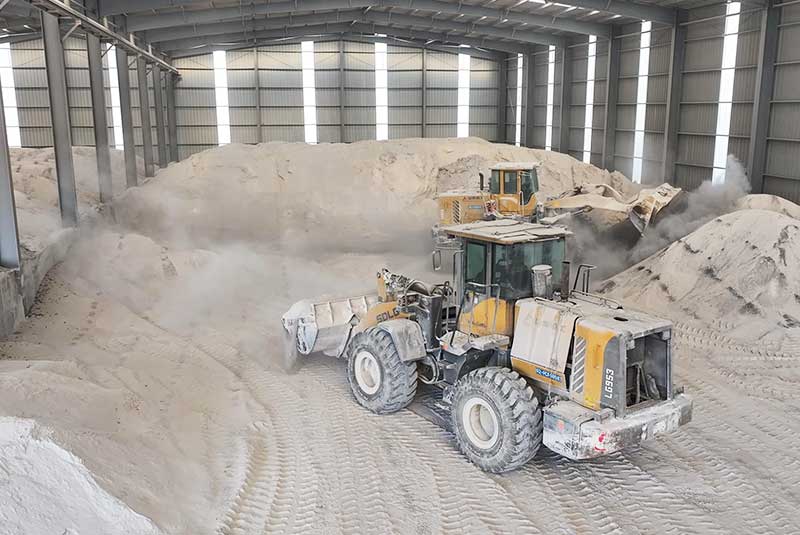
Eco-friendly construction materials are those that minimize environmental impact throughout their lifecycle—from extraction and production to use and disposal. They typically focus on:
- Lower carbon emissions during production
- Recyclability or reusability
- Reduced energy consumption in buildings
- Use of renewable or waste-derived resources
- Improved durability to reduce replacement cycles
According to global construction sustainability assessments referenced in industry lifecycle reports, building materials account for a significant portion of total construction-related carbon emissions, making material selection one of the most effective ways to reduce environmental impact.
Why Sustainable Construction Materials Matter in 2026
In 2026, sustainability is not just a trend—it is a performance requirement. Construction projects are increasingly evaluated based on environmental impact, energy efficiency, and material lifecycle performance.
Using eco-friendly construction materials helps to:
- Reduce embodied carbon in buildings
- Improve energy efficiency over time
- Lower long-term operational costs
- Meet sustainability certification standards
- Enhance building durability and resilience
These benefits are pushing architects, engineers, and contractors to rethink traditional material choices.
Top Eco-Friendly Construction Materials in 2026
Below are some of the most widely used sustainable construction materials shaping modern building practices.
Recycled concrete
Produced by crushing and reprocessing old concrete, this material reduces landfill waste and minimizes the need for new raw aggregates.
Bamboo-based materials
Bamboo is fast-growing and highly renewable, making it a strong alternative to traditional timber in structural and finishing applications.
Fly ash concrete
Fly ash, a byproduct of coal combustion, is used as a partial cement replacement, improving durability while reducing carbon emissions.
Engineered wood products
Materials like cross-laminated timber (CLT) offer high strength while maintaining lower environmental impact compared to steel and concrete.
Recycled steel
Steel can be recycled multiple times without losing its properties, making it one of the most sustainable structural materials.
Gypsum-based materials
Gypsum products, including recycled and industrial byproduct forms, are widely used for interior finishing and help reduce waste from industrial processes.
Fluorogypsum and industrial byproduct materials
Emerging materials such as fluorogypsum are gaining attention as sustainable alternatives within the broader category of construction materials, helping recycle industrial byproducts into usable building components.
Comparison of Eco-Friendly Construction Material
| Material Type | Carbon Impact | Durability | Cost Efficiency | Main Application |
|---|---|---|---|---|
| Recycled Concrete | Low | High | High | Structural base |
| Bamboo Materials | Very Low | Medium | Medium | Lightweight structures |
| Fly Ash Concrete | Low | High | High | Cement replacement |
| Engineered Wood | Low | High | Medium | Buildings, framing |
| Recycled Steel | Medium-Low | Very High | Medium | Structural framework |
| Gypsum Materials | Low | Medium | High | Interior finishing |
| Fluorogypsum | Low | Medium | High | Cement & plaster systems |
This comparison shows that no single material is universally best. Instead, each material serves a specific function in sustainable construction systems.
How Eco-Friendly Materials Improve Building Performance
Eco-friendly construction materials are not only about reducing environmental impact—they also improve overall building performance.
Better thermal efficiency
Many sustainable materials improve insulation, reducing heating and cooling energy consumption.
Long-term durability
Materials like recycled steel and engineered wood offer long service life with minimal degradation.
Reduced maintenance costs
High-quality sustainable materials often require less frequent replacement or repair.
Improved indoor environmental quality
Low-emission materials contribute to healthier indoor air quality.
Industry Trends Supporting Sustainable Construction Materials
Recent industry reports in sustainable architecture and building science indicate that material innovation is one of the fastest-growing areas in construction technology.
Key trends include:
- Increased use of recycled and industrial byproduct materials
- Growth in modular and prefabricated building systems
- Expansion of low-carbon cement alternatives
- Integration of circular economy principles in material sourcing
These trends show a clear shift toward optimizing construction materials for both performance and environmental responsibility.
How to Choose the Right Eco-Friendly Construction Material
When selecting sustainable materials, you should consider:
Project type
Different materials perform better in structural, interior, or decorative applications.
Environmental conditions
Humidity, temperature, and exposure influence material durability.
Cost vs lifecycle value
Cheaper materials are not always more cost-effective over time.
Certification and testing standards
Verified performance data ensures reliability and compliance.
Supply chain stability
Consistent availability is essential for large-scale construction projects.
Common Mistakes When Using Sustainable Construction Material
Even with eco-friendly options, improper selection or application can reduce performance:
Choosing materials based only on cost
Ignoring structural requirements
Overlooking compatibility between materials
Not considering long-term maintenance needs
Avoiding these mistakes ensures that sustainable construction materials deliver their full benefits.
Conclusion
Eco-friendly construction materials are redefining how buildings are designed and constructed in 2026. From recycled concrete and engineered wood to innovative materials like fluorogypsum, the industry is moving toward more sustainable, efficient, and performance-driven solutions.
By understanding the properties, applications, and benefits of these materials, you can make smarter decisions that improve both environmental impact and construction quality.
In the future, the most successful projects will not only focus on strength and cost but also on how responsibly the construction material is sourced and used.
FAQ
What are eco-friendly construction materials?
Eco-friendly construction materials are building materials designed to reduce environmental impact through lower carbon emissions, recyclability, and sustainable sourcing.
Why is eco-friendly construction material important?
They help reduce carbon footprint, improve energy efficiency, and support sustainable building practices in modern construction projects.
What is the most common eco-friendly construction material?
Common examples include recycled concrete, bamboo, fly ash concrete, engineered wood, recycled steel, and gypsum-based materials.
Is eco-friendly construction material more expensive?
Not always. While some may have higher upfront costs, they often reduce long-term expenses through durability and energy efficiency.
Can eco-friendly materials replace traditional construction materials?
In many cases, yes. They are widely used in structural, interior, and finishing applications, often alongside traditional materials for best performance.
Need Help Choosing the Right Eco-Friendly Construction Materials for Your Project?
If you’re unsure which sustainable construction material is best for your building needs, our experts are here to help. Contact us today for a personalized consultation, and ensure your project achieves optimal performance, durability, and environmental efficiency. Don’t compromise on sustainability—get in touch now to build smarter and greener for the future!