01 Building Materials:
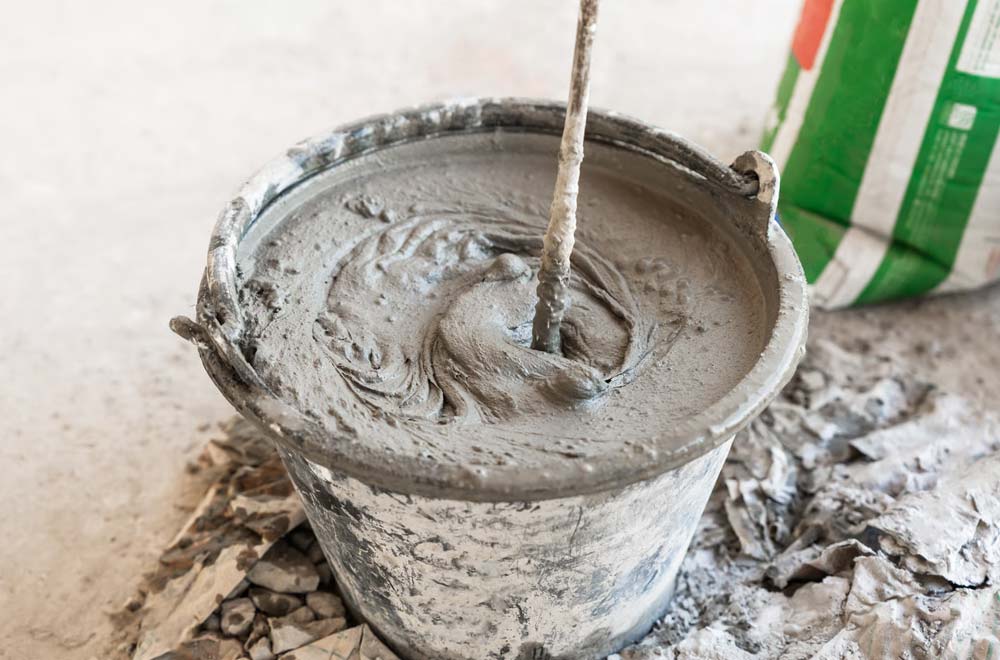
Fluorogypsum can be used as a retarder in cement production, regulating the setting time of cement, allowing sufficient time for mixing, transportation, and pouring during construction, thus ensuring the quality of concrete projects.
Due to its high calcium sulfate content, it can replace some natural gypsum in the production of building materials such as gypsum boards and gypsum blocks. These materials have advantages such as light weight and good sound and heat insulation, and are widely used in walls and ceilings of modern buildings.
02 Metallurgical Applications:
Fluorogypsum is used as a flux in the metallurgical industry, especially in steel production. It improves the fluidity of the slag and helps remove impurities such as sulfur and phosphorus.
In the aluminum electrolysis process, fluorogypsum is also used as a flux to improve production efficiency.
03 Environmental Protection and Ecological Restoration:
Fluorogypsum can be used in ecological restoration projects such as tailings backfilling and dam construction. Due to its good adhesion to soil, relatively small amount is needed, but it provides high strength, thus effectively reducing land occupation and improving the utilization rate of mineral resources.
In sewage treatment plants, fluorogypsum can be used to treat high-moisture sludge, turning it into semi-dried granular material, which is convenient for transportation and resource utilization.
04 Other Uses:
Fluorogypsum can also be used in the manufacture of glass and ceramics, as a flux and whitening agent.
It is also an important raw material for the production of hydrofluoric acid, which is widely used in refrigerants, organic chemical catalysts, and other fields.
Hazards of Improper Fluorogypsum Disposal:
Fluorogypsum contains high concentrations of fluoride and sulfate, which are highly corrosive and toxic. If fluorogypsum is randomly piled or improperly handled, it will seriously pollute surface water and groundwater. This pollution not only affects water quality but may also have long-term negative impacts on the ecosystem through the food chain.
Although fluorogypsum is a byproduct of the hydrofluoric acid production process, it is by no means a worthless “waste.” Through scientific and rational utilization and proper treatment, fluorogypsum can play an important role in multiple fields and show broad development prospects in the wave of resource recycling.