
Concrete additives play a crucial role in modern construction by improving the performance, durability, and workability of concrete. Whether you are working on infrastructure projects, residential buildings, or precast components, the right concrete additives can significantly enhance both construction efficiency and long-term structural quality.
Today, concrete is no longer just a mixture of cement, water, and aggregates. Advanced chemical and mineral additives have transformed how concrete behaves under different environmental and structural conditions.
Table of Contents
What is a concrete additive?
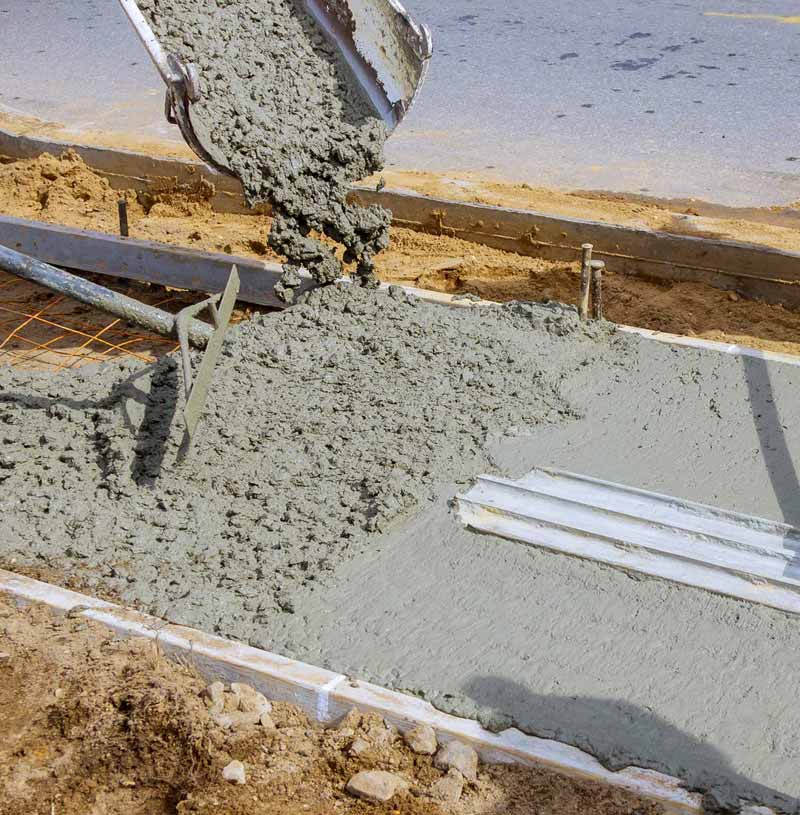
Concrete additives are materials added to concrete mixtures during or before mixing to modify its properties. They are designed to improve performance characteristics such as setting time, strength, durability, workability, and resistance to environmental stress.
According to construction materials research published in cement and concrete engineering studies, properly selected additives can improve concrete performance by 15–40 percent depending on application and mix design.
Types of Concrete Additives
Concrete additives can be broadly classified into chemical additives and mineral additives. Each type serves a specific function in improving concrete performance.
Chemical additives
These are used in small quantities to modify concrete behavior during mixing and curing.
Common types include:
- Plasticizers and superplasticizers for improved workability
- Accelerators to speed up setting time
- Retarders to delay setting in hot conditions
- Air-entraining agents to improve freeze-thaw resistance
Mineral additives
These are finely divided materials that enhance long-term strength and durability.
Common examples include:
- Fly ash
- Silica fume
- Ground granulated blast furnace slag
- Gypsum-based materials
In some advanced formulations, industrial byproducts such as fluorogypsum are also explored as sustainable mineral additives in cement and concrete systems.
Benefits of Concrete Additive
Using concrete additives provides multiple advantages that directly improve construction performance:
- Improved workability during mixing and placement
- Enhanced compressive strength and durability
- Better resistance to cracking and shrinkage
- Increased lifespan of concrete structures
- Reduced water demand in mix design
- Improved performance in extreme environmental conditions
Industry performance studies in concrete technology indicate that optimized additive use can significantly reduce early-age defects and improve long-term structural reliability.
Common Uses of Concrete Additives
Concrete additives are used across a wide range of construction applications:
Infrastructure projects
Bridges, tunnels, and highways require high durability and controlled performance.
Residential construction
Additives improve workability and surface finish for slabs, walls, and foundations.
Precast concrete elements
Controlled setting time and strength development are essential for factory production.
Specialized structures
High-rise buildings and industrial facilities require enhanced strength and durability.
Repair and restoration work
Additives improve bonding and reduce shrinkage in repair mortars.
Concrete Additives Performance Comparison
The table below compares major types of concrete additives and their functional impact:
| Additive Type | Main Function | Strength Impact | Workability Impact | Typical Use |
|---|---|---|---|---|
| Plasticizers | Improve flowability | Medium | High | General concrete |
| Superplasticizers | High workability reduction of water | High | Very High | High-strength concrete |
| Accelerators | Speed up setting | Medium | Medium | Cold weather construction |
| Retarders | Delay setting time | Medium | Medium | Hot weather projects |
| Air-entraining agents | Improve freeze resistance | Medium | Medium | Outdoor structures |
| Mineral additives | Long-term strength boost | High | Medium | Durable infrastructure |
This comparison shows that different additives serve different engineering needs, and selection depends on project requirements.
How Concrete Additive Improve Performance
Concrete additives influence both fresh and hardened concrete behavior.
In fresh concrete, they improve workability, making it easier to mix, transport, and place. This reduces labor effort and minimizes construction defects.
In hardened concrete, they enhance strength development, reduce permeability, and improve resistance to environmental damage such as freeze-thaw cycles or chemical exposure.
According to cement chemistry research referenced in construction material science publications, optimized additive systems can extend concrete service life by improving internal microstructure density and reducing crack formation.
Role of Mineral Additives in Sustainable Construction
Mineral concrete additives are becoming increasingly important in sustainable construction practices. Materials like fly ash and slag reduce the need for clinker production, which lowers carbon emissions in cement manufacturing.
Industrial byproducts such as fluorogypsum are also being studied as alternative materials to support circular economy goals by reusing industrial waste streams in construction applications.
These approaches not only improve environmental performance but also help stabilize material supply chains.
Common Mistakes When Using Concrete Additives
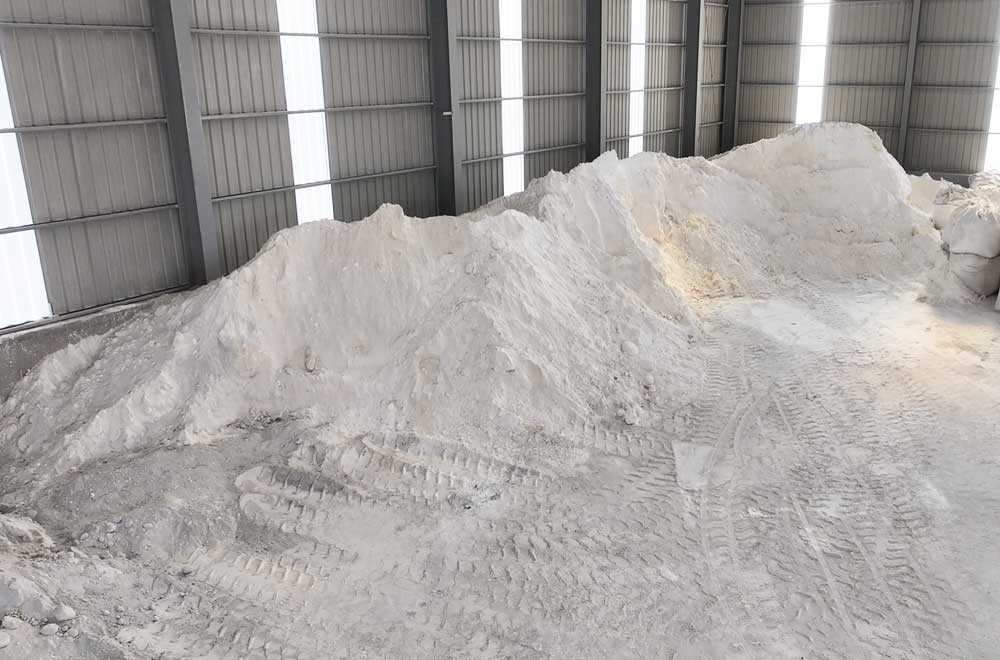
Improper use of the concrete additive can lead to performance issues:
Using incorrect dosage levels
Mixing incompatible additives without testing
Ignoring environmental conditions during application
Relying on additives instead of proper mix design
Proper engineering evaluation and testing are essential before large-scale use.
Practical Tips for Using Concrete Additives
To achieve the best results, consider the following:
Always test mix designs before full application
Follow manufacturer dosage guidelines carefully
Match additives to project conditions
Combine chemical and mineral additives strategically
Monitor curing conditions for best performance
These practices help ensure consistent and reliable concrete performance.
Conclusion
Concrete additives are essential components in modern construction systems. They improve workability, enhance strength, increase durability, and support sustainable building practices.
By understanding different types of concrete additives and how they function, you can make better decisions in mix design and construction planning. Whether for infrastructure, residential, or industrial applications, the right additive strategy can significantly improve both short-term performance and long-term structural reliability.
FAQ
What are concrete additives?
Concrete additives are materials added to concrete mixes to improve properties such as strength, workability, setting time, and durability.
Why are concrete additives used?
They are used to enhance concrete performance, reduce cracking, improve workability, and increase the lifespan of structures.
What is the main types of concrete additive?
The main types include chemical additives (like plasticizers and accelerators) and mineral additives (like fly ash, silica fume, and gypsum-based materials).
Do concrete additive increase strength?
Yes, certain additives such as superplasticizers and mineral additives can significantly improve long-term concrete strength and density.
Is a concrete additive necessary for all projects?
Not always, but they are highly recommended for projects requiring enhanced performance, durability, or specific setting conditions.
Need Help Choosing the Right Concrete Additives for Your Project?
If you’re unsure which concrete additives are best for your mix design, strength requirements, or construction conditions, our experts are here to help. Contact us today for a personalized consultation, and ensure your concrete achieves optimal performance, durability, and workability. Don’t compromise on quality—get in touch now to improve your construction results and build with confidence!