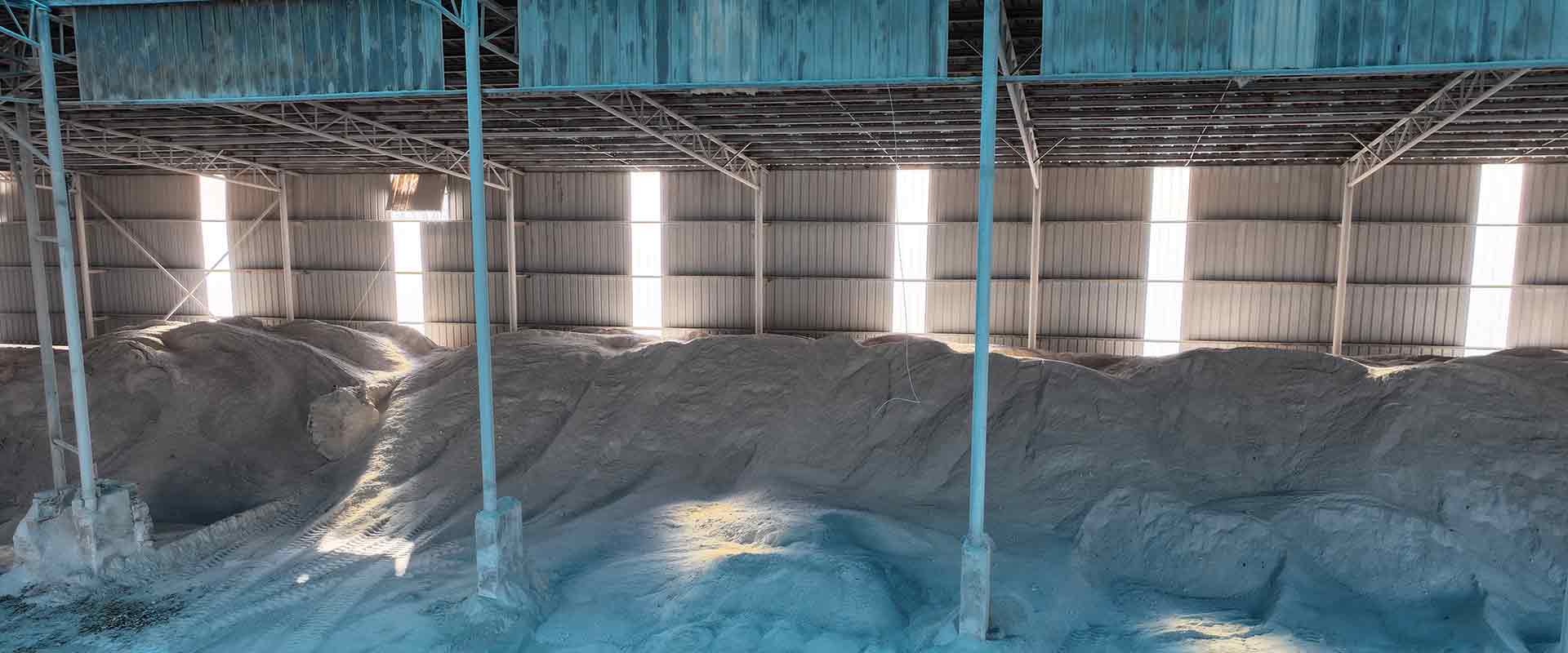
Gypsum is one of the most widely used materials in construction, especially in cement production, plastering, and wallboard manufacturing. However, not all gypsum is the same. Two major types used in the industry today are natural gypsum and synthetic gypsum. Understanding the differences between them is essential if you want to choose the right material for performance, cost efficiency, and sustainability.
This guide provides a detailed comparison of natural gypsum and synthetic gypsum, helping you understand how each one performs in real construction applications.
Table of Contents
What Is Natural Gypsum?
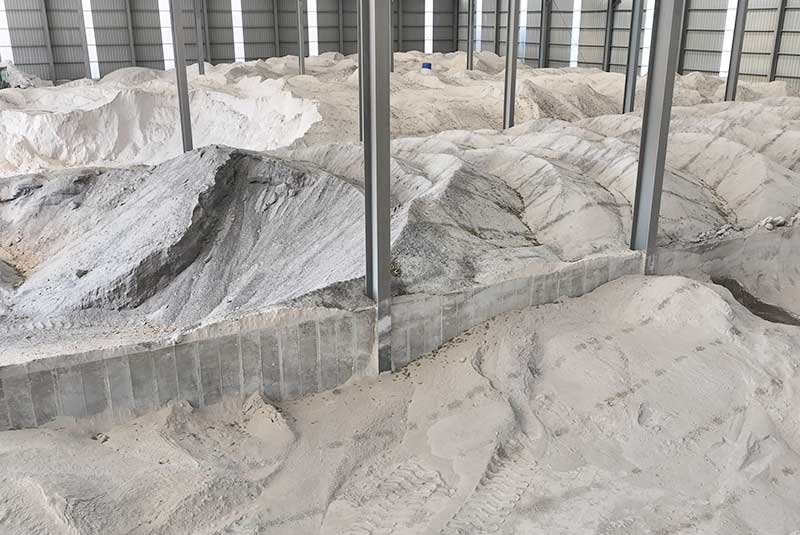
Natural gypsum is a mineral formed through geological processes over millions of years. It is primarily composed of calcium sulfate dihydrate and is extracted from sedimentary rock formations.
In construction, natural gypsum is widely used in:
- Cement production as a setting regulator
- Interior plastering systems
- Drywall and gypsum boards
- Molded decorative materials
Because it is directly mined, its quality depends on geological conditions, which means purity and composition can vary from source to source.
What Is Synthetic Gypsum?
Synthetic gypsum is produced as a byproduct of industrial processes, most commonly from flue gas desulfurization systems. It has a chemical composition very similar to calcium sulfate dihydrate but is created through controlled chemical reactions rather than mining.
It is widely used in:
- Cement manufacturing
- Wallboard production
- Plaster and finishing materials
- Sustainable construction systems
One of its key advantages is consistency. Unlike natural gypsum, synthetic gypsum typically has more uniform purity and particle structure.
Natural Gypsum vs Synthetic Gypsum: Key Differences
To better understand how these materials compare, here is a detailed breakdown:
| Property | Natural Gypsum | Synthetic Gypsum |
|---|---|---|
| Source | Mined mineral deposits | Industrial byproduct |
| Chemical Purity | Variable | Highly consistent |
| Availability | Limited by geology | Depends on industrial output |
| Environmental Impact | Higher (mining required) | Lower (recycled material) |
| Cost Stability | Market fluctuation | More stable pricing |
| Particle Uniformity | Natural variation | Controlled and uniform |
| Common Applications | Cement, plaster, boards | Same applications |
This comparison shows that while both materials serve similar purposes, synthetic gypsum offers more consistency and environmental advantages, while calcium sulfate dihydrate remains a reliable traditional resource.
Performance in Cement and Construction Applications
In cement production, both natural and synthetic gypsum are used to control setting time. Without gypsum, cement would harden too quickly, making it difficult to work with.
Natural gypsum is valued for its reliability and long history of use in construction systems. However, variations in composition can sometimes lead to inconsistent performance.
Synthetic gypsum, on the other hand, offers more stable chemical properties. According to construction material studies referenced in cement chemistry research literature, consistent gypsum composition can improve cement setting predictability and reduce production variability.
Environmental Impact Comparison
Environmental considerations are becoming increasingly important in material selection.
Natural gypsum requires mining, which involves land disturbance and energy use. Synthetic gypsum, however, is derived from industrial byproducts, helping reduce waste and support circular economy practices.
Industry sustainability reports indicate that replacing a portion of calcium sulfate dihydrate with synthetic alternatives can significantly reduce raw material extraction demands in cement production systems. This makes synthetic gypsum a preferred option in many sustainability-focused projects.
Advantages of Natural Gypsum
Despite the rise of synthetic alternatives, natural gypsum still has important advantages:
- Long-established performance history
- Widely available in many regions
- Suitable for traditional construction methods
- Reliable behavior in standard cement applications
- No industrial processing required
These qualities make natural gypsum a dependable choice for many construction applications.
Advantages of Synthetic Gypsum
Synthetic gypsum also offers several strong benefits:
- Consistent chemical composition
- Reduced environmental impact
- Stable supply from industrial processes
- High suitability for large-scale cement production
- Lower dependency on mining operations
These advantages make it increasingly popular in modern, sustainability-driven construction systems.
How to Choose Between Natural and Synthetic Gypsum
When selecting between the two, you should consider:
Project requirements
Structural, decorative, or industrial applications may require different material properties.
Consistency needs
If uniform performance is critical, synthetic gypsum may be more suitable.
Environmental goals
Sustainable projects often prefer recycled or byproduct-based materials.
Supply availability
Local resource availability can influence cost and logistics.
Cost stability
Synthetic gypsum often provides more predictable pricing over time.
Common Misconceptions About Gypsum Types

Many people assume one type is universally better, but that is not the case.
- Natural gypsum is not outdated; it is still widely used
- Synthetic gypsum is not lower quality; it is simply different in origin
- Both materials can perform equally well when properly processed
Understanding these facts helps avoid incorrect material selection decisions.
Conclusion
Both natural gypsum and synthetic gypsum play important roles in modern construction. Natural gypsum offers a proven traditional material with reliable performance, while synthetic gypsum provides consistency and sustainability advantages.
The best choice depends on your specific project needs, including performance requirements, environmental goals, and material availability. In many modern systems, both types are used strategically to balance cost, quality, and sustainability.
By understanding their differences, you can make more informed decisions and optimize your construction material selection for long-term success.
FAQ
What is the difference between natural gypsum and synthetic gypsum?
Natural gypsum is mined from geological deposits, while synthetic gypsum is produced as an industrial byproduct with more consistent chemical properties.
Which is better: calcium sulfate dihydrate or synthetic gypsum?
Neither is universally better. Natural gypsum is traditional and widely used, while synthetic gypsum offers better consistency and sustainability advantages.
Is natural gypsum safe for construction use?
Yes, natural gypsum is widely used in cement, plaster, and drywall applications and has a long history of safe use in construction.
Why is synthetic gypsum used instead of calcium sulfate dihydrate?
Synthetic gypsum is often used because it helps reduce environmental impact, supports recycling of industrial byproducts, and provides more uniform quality.
Can natural and synthetic gypsum be used together?
Yes, in many construction applications, both materials can be blended to balance cost, availability, and performance requirements.
Need Help Choosing Between Natural Gypsum and Synthetic Gypsum?
If you’re unsure which type of gypsum is best for your cement, plaster, or construction application, our experts are here to help. Contact us today for a personalized consultation, and ensure your project achieves the right balance of performance, consistency, and sustainability. Don’t compromise on material quality—get in touch now to optimize your construction results with confidence!