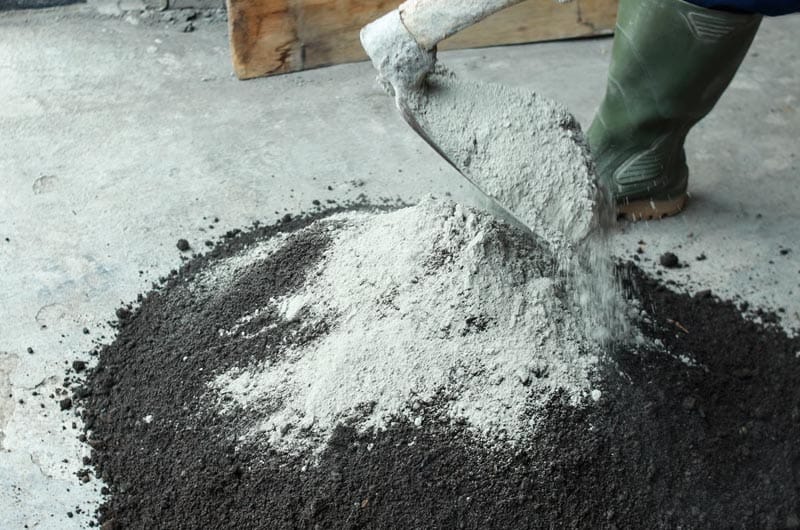
Concrete strength is one of the most critical performance indicators in construction. Whether you are working on foundations, slabs, columns, or precast elements, achieving consistent and reliable concrete strength directly affects the safety, durability, and lifespan of a structure.
Improving concrete strength is not just about increasing cement content. It involves optimizing material selection, mix design, curing conditions, and the use of performance-enhancing additives. In modern construction practice, even small adjustments in these areas can significantly improve final performance.
Table of Contents
What Does Concrete Strength Mean?
Concrete strength refers to the ability of hardened concrete to resist compressive loads without failure. It is usually measured in megapascals (MPa) after a standard curing period of 28 days.
According to construction material performance data published in cement and concrete research literature, properly designed concrete mixtures typically achieve compressive strengths ranging from 20 MPa for basic applications to over 80 MPa for high-performance structural systems.
Higher concrete strength generally means better load-bearing capacity, improved durability, and longer service life.
Key Factors That Affect Concrete Strength
Concrete strength is influenced by several interconnected factors. Understanding these is the first step toward improvement.
Cement quality
Higher-grade cement with consistent chemical composition contributes to stronger hydration and better bonding.
Water-cement ratio
One of the most important factors. Lower water content generally leads to higher strength, but it must be balanced with workability.
Aggregate quality
Clean, well-graded aggregates improve internal structure and reduce voids.
Mixing consistency
Uniform mixing ensures that all components react properly during hydration.
Curing conditions
Proper moisture and temperature control during curing significantly improve final strength development.
How to Improve Compressive Strength Effectively
There are several proven methods to enhance concrete strength in practical construction environments.
Optimize the water-cement ratio
Reducing excess water improves density and reduces porosity. However, it must be balanced to maintain workability.
Use high-quality cement
Consistent cement quality ensures stable hydration reactions and improved long-term performance.
Improve aggregate grading
Well-graded aggregates reduce voids and increase structural density.
Ensure proper curing
Keeping concrete moist during early stages allows hydration to fully develop, which significantly improves strength.
Use performance-enhancing additives
Materials such as plasticizers, superplasticizers, and gypsum-based additives can improve workability and optimize setting behavior without compromising strength.
According to construction engineering research summaries, optimized mix design combined with proper curing can increase compressive strength by up to 30 percent compared to poorly controlled mixes.
Role of Additives in Increasing Compressive Strength
Additives play an important role in modern concrete technology. They help control hydration, improve workability, and enhance long-term performance.
One important example is gypsum, which is commonly added during cement production to regulate setting time. In some advanced formulations, industrial byproducts such as fluorogypsum are also explored as alternative materials to improve sustainability and consistency.
These materials help ensure that concrete has sufficient working time while still achieving high final strength.
Comparison of Concrete Strength Improvement Methods
| Method | Impact on Strength | Cost Efficiency | Ease of Application | Key Benefit |
|---|---|---|---|---|
| Reduce water-cement ratio | High | High | Medium | Denser concrete |
| Improve aggregate quality | Medium-High | Medium | Medium | Better structure |
| Proper curing | High | High | Easy | Long-term durability |
| Use chemical additives | High | Medium | Easy | Controlled performance |
| Optimize mix design | Very High | High | Medium | Balanced performance |
This comparison shows that the most effective improvements come from combining multiple methods rather than relying on a single adjustment.
Common Mistakes That Reduce Concrete Strength
Even experienced builders sometimes make mistakes that negatively affect concrete performance:
Adding too much water to improve workability
Using low-quality or inconsistent materials
Ignoring curing time or environmental conditions
Poor mixing leading to uneven distribution
Rushing construction before full strength development
Avoiding these mistakes is often more effective than trying to fix weak concrete later.
Practical Tips for Better Concrete Performance
If you want consistently strong concrete, these practical steps can help:
Measure materials accurately instead of estimating
Use mechanical mixing for uniform consistency
Control water content carefully during mixing
Maintain proper curing conditions for at least several days
Test sample batches before large-scale application
These small but consistent practices can significantly improve overall compressive strength.
Conclusion
Improving concrete strength is a combination of science and practical execution. It requires careful control of materials, mix design, curing, and the strategic use of additives. When these factors are properly balanced, the result is stronger, more durable, and more reliable concrete.
By focusing on key variables such as water-cement ratio, material quality, curing conditions, and modern additive technologies, you can significantly enhance concrete performance and ensure long-term structural integrity in any construction project.
FAQ
What is concrete strength?
Concrete strength refers to the ability of hardened concrete to resist compressive loads, usually measured in MPa after 28 days of curing.
How can I increase concrete strength?
You can increase compressive strength by reducing the water-cement ratio, using high-quality materials, ensuring proper curing, and optimizing mix design.
Does adding more cement increase compressive strength?
Not always. Excess cement can lead to cracking and shrinkage. Strength depends more on proper mix balance than cement quantity alone.
How important is curing for concrete strength?
Curing is very important. Proper moisture and temperature control during curing significantly improve hydration and final strength.
Do additives improve compressive strength?
Yes, certain additives like plasticizers, superplasticizers, and gypsum-based materials can improve workability and optimize strength development.
Need Help Improving Your Concrete Strength?
If you’re unsure how to achieve the best compressive strength for your project or which mix design and additives are most suitable, our experts are here to help. Contact us today for a personalized consultation, and ensure your concrete delivers maximum durability, reliability, and long-term performance. Don’t compromise on quality—get in touch now to optimize your construction results and build with confidence!