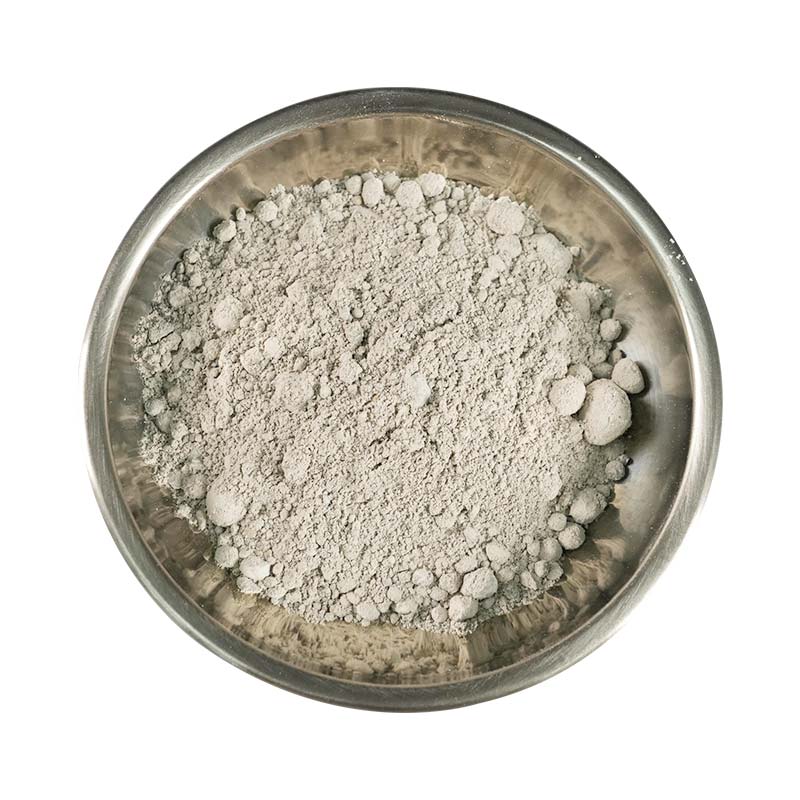
Powder gypsum plays an essential role in modern cement and construction industries. Although it may seem like a simple additive, its impact on cement performance is significant. It helps control setting time, improves workability, and enhances the overall quality of concrete structures. Whether you are working on large-scale infrastructure or small construction projects, understanding how powder gypsum works can help you achieve more consistent and reliable results.
In recent years, increasing attention has also been given to industrial byproduct forms of gypsum, which offer more sustainable and cost-efficient alternatives for cement production without compromising performance.
Table of Contents
What Is Powder Gypsum?
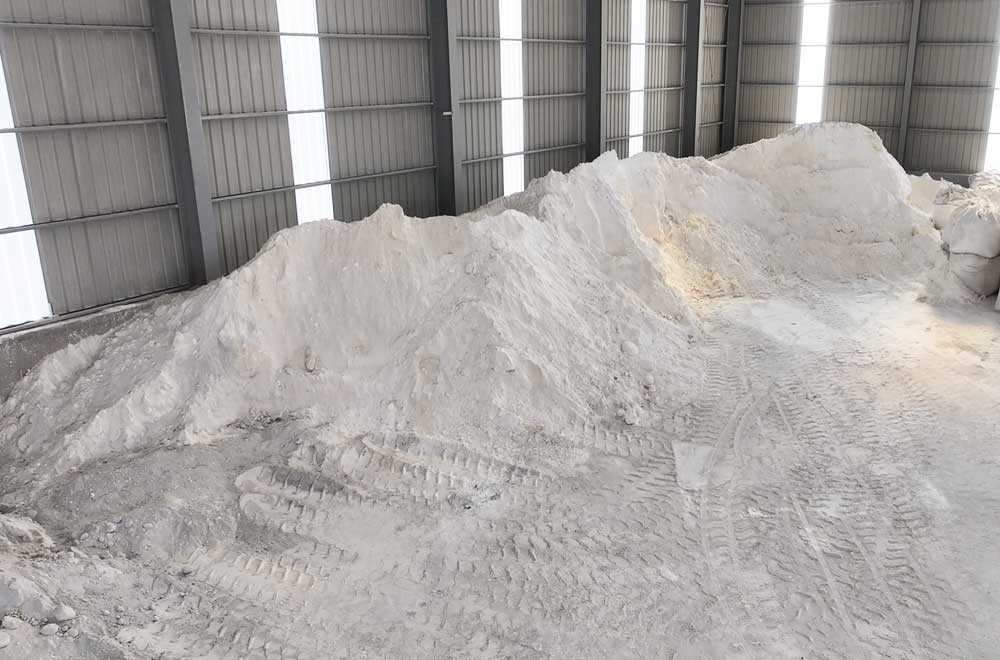
Powder gypsum is a finely ground form of calcium sulfate dihydrate used primarily as an additive in cement manufacturing and construction applications. Its main function is to regulate the hydration process of cement, preventing it from setting too quickly after mixing with water.
Without gypsum, cement would harden almost immediately, making it nearly impossible to transport, mix, or apply in construction settings. This makes powder gypsum a critical component in ensuring workable and predictable cement performance.
How Powder Gypsum Works in Cement
Powder gypsum interacts with cement during the hydration process. When cement comes into contact with water, a chemical reaction begins that produces heat and causes the material to harden. Gypsum slows down this reaction by controlling the formation of tricalcium aluminate hydrates, which are responsible for rapid setting.
This controlled reaction provides workers with enough time to transport, mix, and apply cement properly before it hardens. According to research published in cement chemistry studies by the International Journal of Materials Science, adding the correct proportion of gypsum can extend workable time by up to 40 percent while maintaining final strength.
Key Benefits of Powdered Gypsum in Cement
Using powder gypsum in cement offers several important advantages that directly improve construction quality and efficiency:
- Controls cement setting time for better workability
- Improves consistency in concrete mixing
- Reduces the risk of early hardening during transport
- Enhances long-term structural stability
- Supports smoother finishing surfaces
- Improves cost efficiency by reducing material waste
These benefits make powder gypsum an essential component in both industrial cement production and on-site construction applications.
Common Applications of Powdered Gypsum in Construction
Powder gypsum is used in a wide range of construction and cement-related applications. Its versatility makes it suitable for different types of projects:
Cement manufacturing
Powder gypsum is added during clinker grinding to regulate the final setting time of cement.
Concrete production
It improves workability and ensures consistent mixing performance.
Plastering materials
It is used in gypsum-based plasters to achieve smooth surface finishes.
Repair mortars
It helps control setting behavior in fast-repair applications.
Precast elements
It ensures stable setting times for factory-produced concrete components.
Powder Gypsum Performance Comparison in Cement Mixes
The following table shows how powdered gypsum influences cement performance compared to mixes without gypsum:
| Property | Without Powder Gypsum | With Powder Gypsum |
|---|---|---|
| Setting Time | Very fast (uncontrolled) | Controlled and predictable |
| Workability Window | Very short | Extended up to 40% |
| Surface Finish Quality | Inconsistent | Smooth and uniform |
| Risk of Cracking | Higher | Reduced |
| Structural Stability | Moderate | Improved |
| Material Efficiency | Lower | Higher due to reduced waste |
This comparison highlights why gypsum is considered indispensable in modern cement systems.
Types of Gypsum Used in Cement
Different types of gypsum can be used depending on project requirements and material availability:
Natural gypsum
Extracted from mineral deposits and widely used in standard cement production.
Synthetic gypsum
Produced as a byproduct of industrial processes and offers consistent chemical composition.
Processed powdered gypsum
Finely ground and treated gypsum designed for optimized cement performance.
In many modern applications, processed and industrial byproduct forms are increasingly preferred due to their sustainability and stable quality characteristics.
Environmental and Efficiency Considerations
Powder gypsum contributes not only to technical performance but also to sustainability goals in construction. By improving cement efficiency, it reduces the need for excess material usage, which indirectly lowers energy consumption during production.
Industry lifecycle assessments have shown that optimizing cement additives like gypsum can reduce material waste by improving mix efficiency and reducing rejected batches during production. This makes it a practical choice for projects focused on both performance and environmental responsibility.
How to Choose the Right Powdered Gypsum
When selecting powdered gypsum for cement applications, several factors should be considered:
- Purity and chemical consistency
- Particle fineness for proper mixing
- Compatibility with cement type
- Moisture content and storage conditions
- Supplier quality control standards
Choosing high-quality gypsum ensures stable performance and reduces the risk of inconsistent setting behavior in cement systems.
Common Issues and How to Avoid Them
Even though powder gypsum is widely used, improper handling can lead to performance issues:
Overuse of gypsum can slow down setting excessively, affecting construction timelines.
Poor quality gypsum may introduce impurities that reduce cement strength.
Inconsistent mixing can lead to uneven setting and weak points in concrete structures.
Proper dosage control and quality sourcing are key to avoiding these problems.
Conclusion
Powder gypsum is a vital component in cement production and construction applications. It plays a key role in controlling setting time, improving workability, and enhancing the overall performance of cement-based materials. From large infrastructure projects to everyday construction tasks, its influence is both practical and essential.
By understanding how powder gypsum works and how to apply it correctly, you can significantly improve construction efficiency, reduce material waste, and achieve more consistent structural performance. As the industry continues to evolve, its role in sustainable and high-performance cement systems will only become more important.
FAQ
What is powder gypsum used for in cement?
Powder gypsum is used to control the setting time of cement, preventing it from hardening too quickly and ensuring better workability during construction.
Why is powdered gypsum added to cement?
It regulates the hydration process of cement, improves handling time, and helps achieve consistent strength and performance in concrete.
How much powder gypsum is typically used in cement?
The dosage usually depends on cement type, but it is generally added in small controlled amounts during clinker grinding to optimize setting time.
Does powdered gypsum affect cement strength?
When used correctly, powder gypsum does not reduce strength. Instead, it helps improve consistency, durability, and long-term performance of concrete.
Is powdered gypsum necessary in all cement types?
Most cement types require gypsum to control setting time, making it a standard and essential component in modern cement production.
Need Help Choosing the Right Powder Gypsum for Your Cement Application?
If you’re unsure which powder gypsum is best for your cement production or construction project, our experts are here to help. Contact us today for a personalized consultation and ensure your cement achieves optimal setting time, strength, and performance. Don’t compromise on quality—get in touch now to improve your construction results and material efficiency!