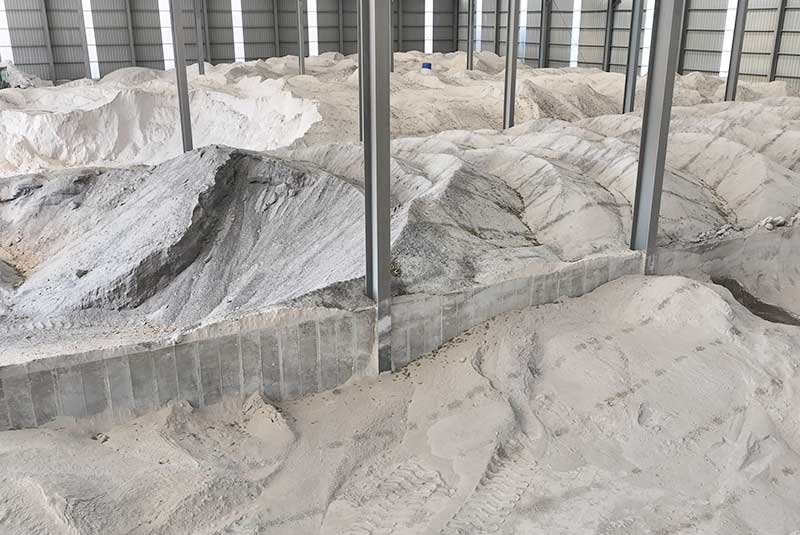
Gypsum is one of the most widely used materials in modern construction, valued for its versatility, efficiency, and ability to improve building performance. Whether you are working on wall finishing, ceiling systems, or cement applications, understanding how to use gypsum correctly can significantly impact the quality and durability of your project.
In recent years, the construction industry has also begun exploring alternative gypsum sources, such as fluorogypsum, to meet sustainability goals and reduce reliance on natural resources. This shift reflects a broader move toward more efficient and environmentally responsible building practices.
Table of Contents
What Is Anhydrite Gypsum and Why It Matters in Construction
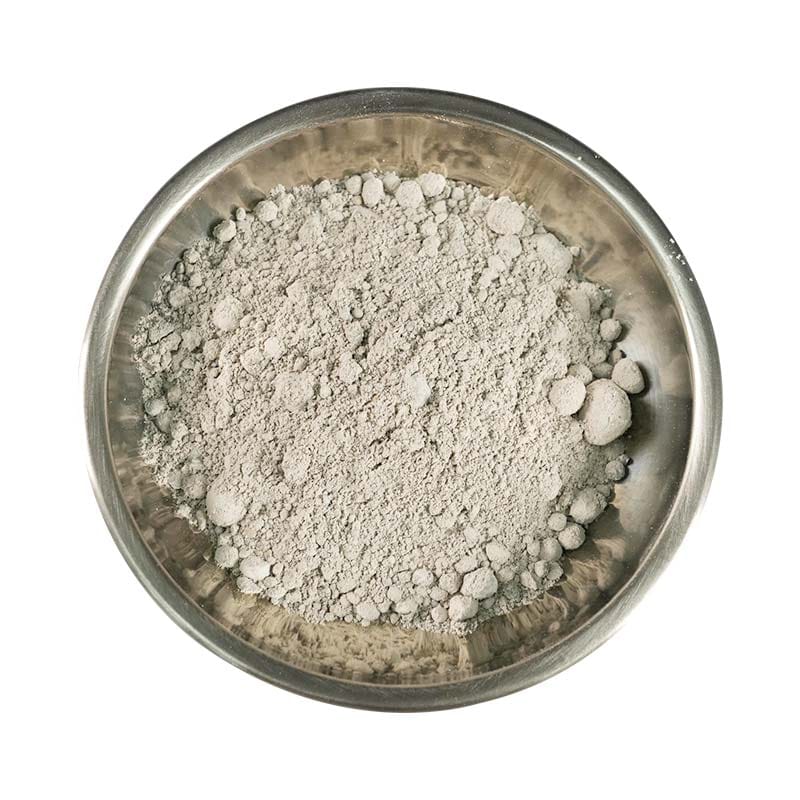
Anhydrite gypsum is a naturally occurring mineral composed primarily of calcium sulfate dihydrate. It has been used in construction for centuries due to its fire resistance, ease of application, and ability to create smooth surfaces.
Today, gypsum plays a critical role in:
- Interior wall plastering
- Drywall and partition systems
- Ceiling designs
- Cement production as a setting regulator
According to data published by the United States Geological Survey (USGS), global gypsum consumption continues to grow steadily, driven by increasing demand for lightweight and energy-efficient construction materials. This highlights its importance as a core material in both traditional and modern building systems.
Main Applications of Anhydrite Gypsum in Construction
Gypsum is used in several key areas of construction, each offering unique benefits.
Wall plastering
Gypsum plaster is widely used for interior walls because it provides a smooth finish that requires minimal additional treatment. It also reduces drying time compared to cement plaster, allowing faster project completion.
Ceiling systems
Gypsum boards are commonly used in suspended ceilings. They are lightweight, easy to install, and offer excellent fire resistance and acoustic insulation.
Drywall and partitions
Gypsum boards are essential in modern partition systems. They allow flexible space design and are easier to install than traditional masonry walls.
Cement production
Gypsum is added to cement to control the setting time. Without gypsum, cement would set too quickly, making it difficult to work with during construction.
How to Use Anhydrite Gypsum Effectively
Using gypsum correctly requires attention to material preparation, mixing, and application techniques.
Surface preparation
Before applying gypsum plaster, surfaces should be clean, dry, and free from dust or grease. Proper preparation ensures strong adhesion and reduces the risk of cracks.
Mixing process
Gypsum powder should be mixed with clean water according to recommended ratios. Over-mixing or adding too much water can weaken the final structure.
Application
Apply gypsum plaster evenly using appropriate tools. It is typically applied in thin layers to achieve a smooth and durable finish.
Curing and finishing
Gypsum does not require extensive curing like cement, but it should be protected from excessive moisture during the initial setting period.
Benefits of Using Anhydrite Gypsum in Construction
Gypsum offers several advantages that make it a preferred material in modern construction.
It provides a smooth and uniform surface, reducing the need for additional finishing work.
It has excellent fire-resistant properties, improving building safety.
It is lightweight, which reduces structural load.
It allows faster construction due to shorter setting times.
It contributes to better thermal and acoustic insulation.
Research from the International Energy Agency indicates that lightweight construction materials like gypsum can improve building energy efficiency by reducing heat transfer, which supports long-term sustainability goals.
Fluorogypsum as an Alternative Material
As the construction industry evolves, alternative gypsum sources are gaining attention. One such material is fluorogypsum, a byproduct generated during industrial processes.
Fluorogypsum has a chemical composition similar to natural gypsum, making it suitable for many construction applications, including cement production and plastering. When properly processed, it can deliver comparable performance in terms of setting time and strength.
Using fluorogypsum offers additional advantages:
- It promotes the recycling of industrial byproducts
- It reduces environmental impact associated with mining natural gypsum
- It supports sustainable construction practices
Industry studies on industrial byproduct utilization have shown that replacing natural gypsum with processed alternatives can reduce raw material consumption and improve overall resource efficiency in construction systems.
Comparison of Anhydrite Gypsum Types
| Feature | Natural Gypsum | Synthetic Gypsum | Fluorogypsum |
|---|---|---|---|
| Source | Mined mineral | Industrial byproduct | Industrial byproduct |
| Purity | High | Consistent | Depends on processing |
| Cost | Moderate | Often lower | Competitive |
| Environmental Impact | Higher (mining) | Lower | Lower |
| Application Range | Wide | Wide | Expanding |
This comparison shows that fluorogypsum is becoming a viable alternative, especially in projects focused on sustainability and cost efficiency.
Common Mistakes to Avoid When Using Anhydrite Gypsum
Even though gypsum is easy to work with, improper use can lead to issues.
Using incorrect water ratios can weaken the material and cause cracks.
Applying gypsum on unprepared surfaces may lead to poor adhesion.
Ignoring environmental conditions such as humidity can affect setting time.
Overloading gypsum layers can result in structural instability.
Avoiding these mistakes ensures better performance and longer-lasting results.
Practical Tips for Better Results
If you want to get the most out of gypsum in your projects, consider these practical tips:
Always follow manufacturer guidelines for mixing and application.
Use high-quality gypsum or properly processed alternatives like fluorogypsum.
Ensure proper ventilation during application and drying.
Train workers on correct techniques to maintain consistency.
These small improvements can make a significant difference in overall construction quality.
Conclusion
Anhydrite gypsum remains a fundamental material in construction due to its versatility, efficiency, and performance benefits. From wall plastering to cement production, its applications are extensive and continue to evolve with modern building techniques.
At the same time, alternative materials such as fluorogypsum are opening new opportunities for sustainable construction. By understanding how to use gypsum effectively and exploring innovative material options, you can improve both the quality and environmental impact of your projects.
If you are looking to optimize your construction process, gypsum and its alternatives provide a reliable and forward-thinking solution.
FAQ
What is anhydrite gypsum used for in construction?
Gypsum is widely used for wall plastering, ceiling systems, drywall partitions, and as a setting regulator in cement. It helps improve surface finish, fire resistance, and overall construction efficiency.
Is gypsum better than cement for wall plastering?
Gypsum is often preferred for interior wall plastering because it provides a smoother finish and faster drying time. However, cement is still more suitable for exterior applications due to its higher water resistance.
How do you mix gypsum for construction use?
Gypsum should be mixed with clean water following the recommended ratio, typically by adding gypsum powder into water and stirring until a smooth consistency is achieved. Proper mixing ensures better strength and workability.
What is fluorogypsum and how is it used?
Fluorogypsum is an industrial byproduct with similar properties to natural gypsum. It can be used in construction for applications such as cement production and plastering when properly processed, offering a more sustainable material option.
Is gypsum an eco-friendly building material?
Gypsum can be considered environmentally friendly, especially when using recycled or industrial byproduct forms like fluorogypsum. These alternatives help reduce resource consumption and support sustainable construction practices.