
Fluorogypsum is an industrial byproduct derived from the production of hydrofluoric acid. While traditionally viewed as a secondary material, it has emerged as a high-performance alternative to natural gypsum in the global cement and construction sectors. For procurement managers and chemical engineers, understanding the precise impact of fluorogypsum on cement hydration is essential for optimizing both cost and structural integrity.
Table of Contents
Chemical Composition and Mineralogical Characteristics of Fluorogypsum
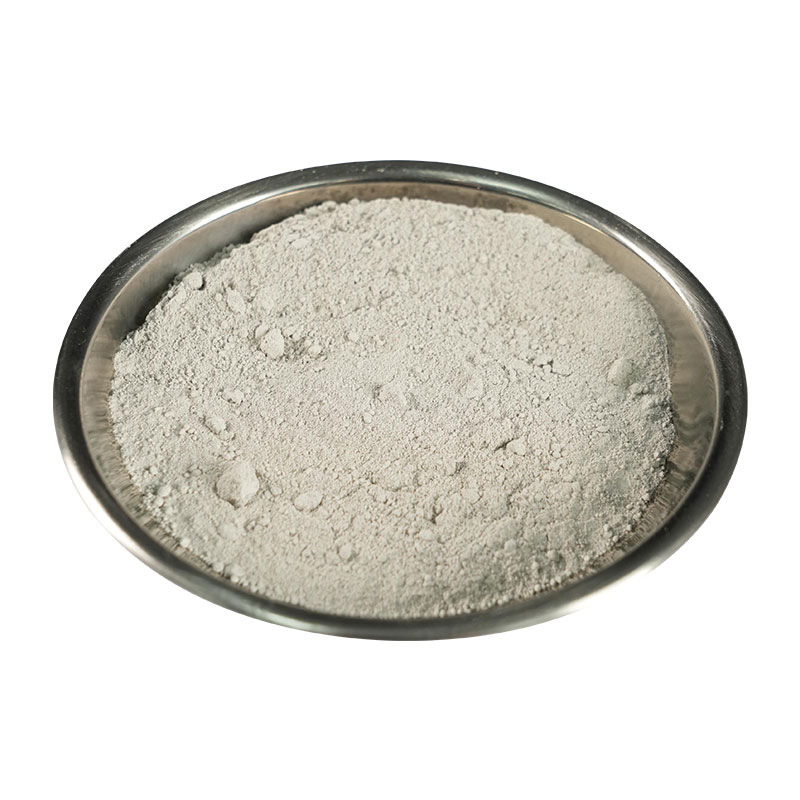
The core value of fluorogypsum lies in its high calcium sulfate (CaSO₄) content. Unlike phosphogypsum, which often contains trace amounts of phosphoric acid that can delay early strength development, fluorogypsum typically exhibits a more stable mineralogical profile. Research indicates that industrial-grade fluorogypsum often reaches a purity level exceeding 90% calcium sulfate equivalent.
However, the presence of residual fluoride ions and slight acidity must be managed. These elements are not necessarily detrimental; when controlled, they can actually participate in the formation of specific crystal structures during the hydration process, leading to a denser cement paste.
Comparative Analysis: Fluorogypsum vs. Natural Gypsum in Cement
When evaluating raw materials, technical data sheets reveal distinct physical and chemical differences. The following table summarizes the typical parameters observed in industrial applications:
| Properties | Natural Gypsum (Typical) | Fluorogypsum (Industrial Grade) |
| Calcium Sulfate (CaSO4) | 75% – 85% | 88% – 95% |
| Moisture Content | 3% – 5% | 10% – 15% (Unprocessed) |
| pH Value | Neutral (6.5 – 7.5) | Acidic (3.0 – 5.5) |
| Particle Size | Variable Rocks | Fine Powder/Crystalline |
| Setting Regulation | Standard | Enhanced Precision |
Mechanisms of Setting Time Regulation
The primary role of any gypsum in cement is to prevent flash setting by reacting with tricalcium aluminate (C3A). Fluorogypsum excels here due to its solubility rate. Because it is often a byproduct of a chemical reaction, its particle size is inherently finer than crushed natural rock, allowing for a more rapid release of sulfate ions into the early-stage cement slurry.
This rapid ionization ensures that the formation of ettringite happens uniformly, providing excellent control over both initial and final set times. In high-temperature environments, where cement tends to set too quickly, the consistent solubility of fluorogypsum offers a more predictable buffer than many natural variants.
Enhancing Compressive Strength Development
Data from long-term hydration studies show that fluorogypsum can contribute significantly to 28-day compressive strength. According to chemical analysis reports on synthetic gypsum utilization, the fluoride ions present in small concentrations can act as a catalyst in the micro-crystallization of calcium silicate hydrate (C-S-H) gels.
This leads to a reduction in capillary porosity. When you replace natural gypsum with an optimized ratio of fluorogypsum, the resulting mortar often shows a more refined pore structure, which directly correlates to higher durability and resistance to sulfate attack in harsh environments.
Industrial Pretreatment for Optimal Performance
To maximize the benefits of fluorogypsum, proper pretreatment is recommended. Raw fluorogypsum can be acidic, which may affect the service life of grinding equipment. Neutralization using small amounts of lime or professional-grade buffering agents is a standard industry practice.
Additionally, drying the material to a moisture content below 5% improves flowability. High-quality suppliers often provide pre-neutralized and dried fluorogypsum, which can be fed directly into the cement mill without additional onsite processing, saving you significant operational overhead.
Environmental Compliance and Leaching Safety
Safety is a non-negotiable factor in modern infrastructure. Extensive leaching tests, such as the Toxicity Characteristic Leaching Procedure (TCLP), have demonstrated that when fluorogypsum is encapsulated within the cement matrix, the migration of fluoride ions is negligible.
International building material research confirms that the use of synthetic gypsum in bound applications (like concrete or road bases) meets stringent environmental safety standards. This makes it a sustainable choice for companies aiming to meet circular economy targets without sacrificing technical performance.
Cost-Efficiency and Supply Chain Sustainability
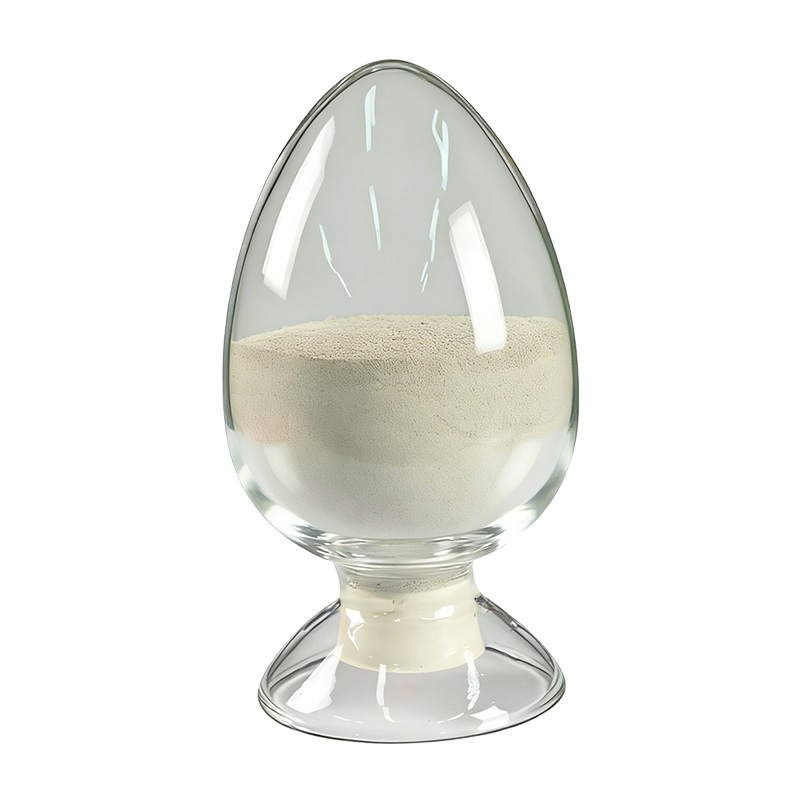
From a procurement perspective, synthetic gypsum offers a compelling ROI. Because it is a byproduct of the chemical industry, the price per ton is often significantly lower than that of mined natural gypsum. This cost advantage allows cement plants to reduce their raw material expenses by 10% to 20% while maintaining or even improving product quality.
Furthermore, relying on industrial byproducts reduces the environmental footprint associated with mining operations. For global players, establishing a consistent supply chain of industrial fluorogypsum ensures long-term price stability against the fluctuating costs of natural resource extraction.
Best Practices for Integrating Fluorogypsum in Cement Grinding
If you are considering integrating synthetic gypsum into your production line, start with a laboratory-scale trial to determine the optimal addition rate. Typically, a 3% to 5% substitution by weight is the standard starting point.
Monitor the mill temperature closely. Since fluorogypsum can contain anhydrous forms of calcium sulfate, the heat of the grinding process can influence the hydration rate. By fine-tuning these parameters, you can achieve a high-performance cement product that stands up to the most demanding engineering specifications. Fluorogypsum represents a sophisticated intersection of chemical efficiency and industrial necessity, providing a robust solution for the future of the cement industry.
Conclusion
The transition toward sustainable and cost-effective construction materials has positioned fluorogypsum as a critical asset in modern cement chemistry. By offering superior calcium sulfate purity and a more reactive particle structure than many natural ores, it provides a dual advantage: precise control over cement setting kinetics and a measurable boost in long-term compressive strength. For global manufacturers, integrating this industrial byproduct is not merely a strategy for waste reduction but a sophisticated technical choice that enhances product performance while securing significant savings in raw material procurement. As infrastructure requirements become more demanding, the role of synthetic gypsum in achieving high-durability, low-carbon cement will continue to expand.
FAQ
Does fluorogypsum affect the color of the final cement product?
Industrial-grade synthetic gypsum is typically off-white or light gray. Due to its high purity and the removal of organic impurities during the chemical manufacturing process, it generally has a neutral effect on the whiteness or gray-scale of the finished cement, making it suitable for both standard and high-end architectural applications.
Is there a risk of equipment corrosion when using fluorogypsum?
Raw fluorogypsum can have a lower pH than natural gypsum. However, when the material is properly neutralized with lime or pre-dried by the supplier, the risk of corrosion to grinding mills and silos is effectively mitigated. Most modern cement plants successfully manage this by monitoring the acidity levels during the pre-blending stage.
How does the solubility of synthetic gypsum compare to phosphogypsum?
Fluorogypsum generally exhibits a more consistent solubility profile because it lacks the high concentrations of water-soluble phosphates found in phosphogypsum, which can sometimes lead to unpredictable set retardation. This reliability makes synthetic gypsum a preferred choice for specialized concrete formulations that require strict slump retention.
What is the shelf life and storage requirement for bulk synthetic gypsum?
When stored in a dry, covered environment to prevent moisture absorption, fluorogypsum maintains its chemical stability indefinitely. For international shipping, using jumbo bags with PE liners or moisture-proof bulk carriers is recommended to ensure the material remains free-flowing upon arrival at the processing facility.
Can anhydrite be used in the production of gypsum board?
Yes. Beyond its use as a cement retarder, high-purity synthetic gypsum is an excellent raw material for gypsum wallboard and plaster. Its fine particle size reduces the energy required for calcination, and its consistent chemical properties ensure a high-strength core in the finished board products.