
Builders gypsum is a versatile material widely used in the construction industry for wall plastering, ceiling finishes, and decorative elements. Derived primarily from calcium sulfate dihydrate, builder’s gypsum can come from natural deposits or as a byproduct of industrial processes. Over the years, builders’ gypsum has gained popularity due to its lightweight nature, ease of application, and ability to provide smooth, durable surfaces.
If you are new to construction or are considering alternatives to traditional materials like cement, understanding builders gypsum and its applications can help you make informed decisions for your projects.
Table of Contents
What Is Builders Gypsum?
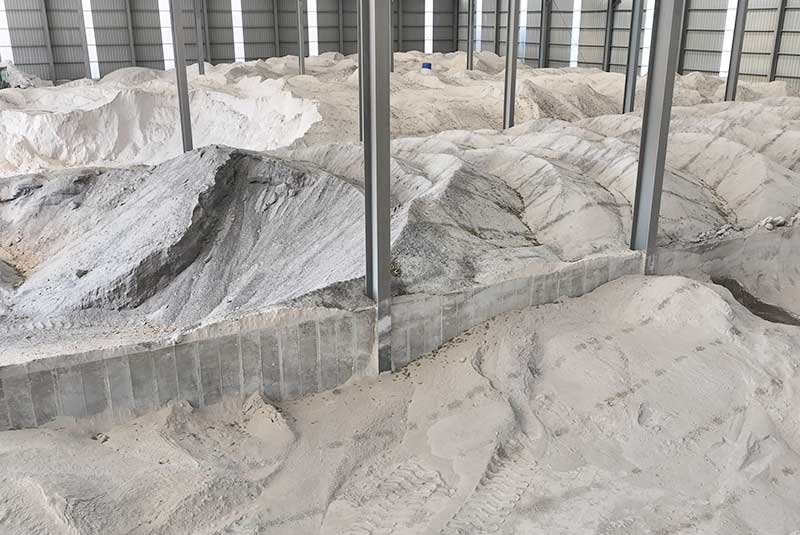
Builders gypsum is essentially a fine, white powder that is mixed with water to create a plaster suitable for construction use. Unlike cement, which is heavier and requires longer curing time, builder gypsum sets quickly and produces a smooth surface, making it ideal for interior finishing. Its unique chemical composition allows it to bond well with masonry surfaces while reducing cracking and shrinkage. Builder gypsum is often used in residential, commercial, and even industrial construction due to these properties.
How Is Builders Gypsum Produced?
Builders gypsum can be sourced in two primary ways:
Natural Gypsum Mining Process
Natural gypsum is extracted from mineral deposits, then crushed and processed to remove impurities. It is ground into a fine powder suitable for plaster production.
Synthetic Gypsum Production
Synthetic gypsum is generated as a byproduct of industrial processes, such as flue gas desulfurization in power plants. This type of gypsum is chemically similar to natural gypsum and can be processed to match quality standards for construction use.
Processing and Refinement
After mining or production, gypsum is heated to remove excess water, producing a fine powder that is ready for mixing with water and additives. Modern processing ensures consistent quality, moisture content, and particle size, which are critical for achieving optimal performance.
Key Properties of Builder Gypsum
Builders gypsum is valued for several properties that make it highly suitable for construction:
- Lightweight Material: Reduces structural load and improves handling.
- Fire Resistance: Naturally resists high temperatures, contributing to safer interiors.
- Smooth Finish Capability: Provides even surfaces that require minimal sanding.
- Quick Setting Time: Allows faster project completion compared to cement.
- Thermal and Sound Insulation: Enhances energy efficiency and acoustic comfort in buildings.
Uses of Builders Gypsum in Construction
Builder gypsum is remarkably versatile and can be used in various applications:
- Wall Plastering: Provides a smooth, even finish suitable for painting or wallpaper.
- Ceiling Applications: Ideal for false ceilings and decorative panels.
- Drywall Systems: Often used in gypsum boards for partitions.
- Decorative Elements: Moldings, cornices, and other ornamental features can be created using gypsum plaster.
These applications highlight why builder gypsum is considered a standard material in modern construction.
Advantages of Using Builders Gypsum
Choosing builder gypsum offers multiple benefits that go beyond basic finishing:
- Faster construction time, which can reduce labor costs.
- Reduced structural load due to its lightweight nature.
- Environmentally friendly, as synthetic gypsum reuses industrial byproducts.
- Provides better surface finishes with fewer cracks and imperfections.
- Long-term cost efficiency by reducing maintenance and repair needs.
According to recent construction materials studies, projects using gypsum plaster reported up to 20% faster interior finishing compared to traditional cement plaster, which can significantly impact overall project timelines.
Builders Gypsum vs Cement Plaster
When comparing builder gypsum to cement plaster, several key differences emerge:
| Feature | Builders Gypsum | Cement Plaster |
|---|---|---|
| Setting Time | 30–60 minutes | 24–48 hours |
| Weight | Lightweight | Heavier |
| Surface Finish | Smooth and even | Rougher, may require extra sanding |
| Cost | Moderate, may vary by type | Usually lower per unit |
| Fire Resistance | High | Moderate |
| Environmental Impact | Can be eco-friendly | Higher carbon footprint |
While cement plaster remains a reliable option, builder gypsum excels in areas where speed, surface quality, and reduced structural load are priorities.
How to Use Builders Gypsum
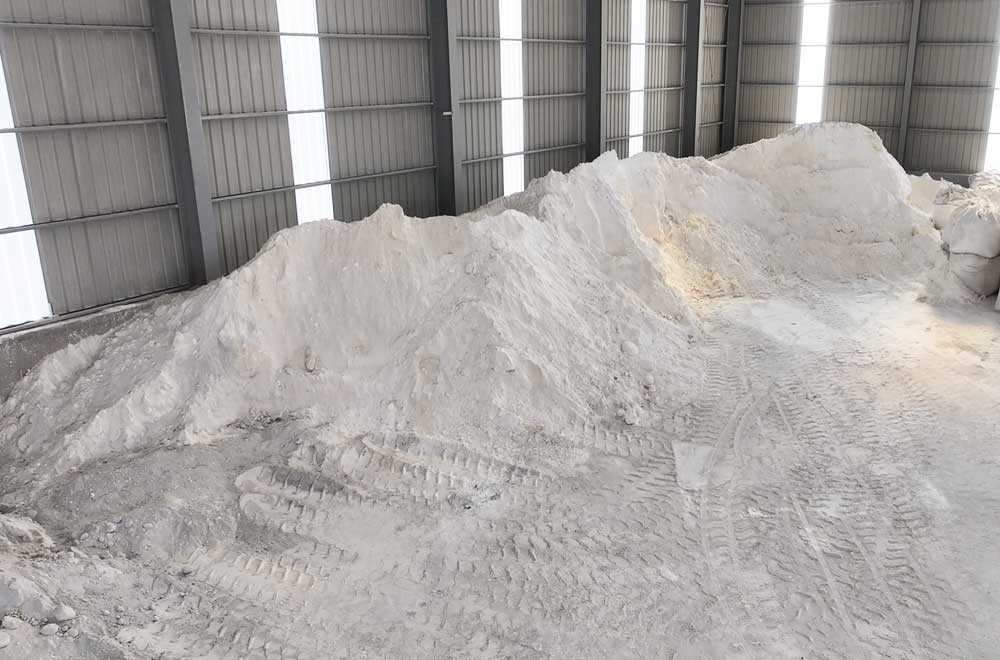
Using builder gypsum correctly ensures durability and optimal appearance. Here’s a general approach:
- Surface Preparation: Clean walls of dust, grease, and loose particles. Apply a bonding agent if needed.
- Mixing: Combine builders gypsum with clean water according to manufacturer guidelines. Use a mechanical mixer for uniform consistency.
- Application: Apply the plaster evenly with a trowel in thin layers. Avoid applying excessively thick layers to prevent cracking.
- Drying and Finishing: Allow the surface to set for 30–60 minutes, then smooth out any irregularities. Avoid water exposure during initial curing.
Following these steps can significantly reduce common issues such as uneven surfaces or premature cracking.
Builders Gypsum Drying Time and Setting Time
Builders gypsum generally sets within 30–60 minutes and is fully dry within 24 hours under normal indoor conditions. Factors such as temperature, humidity, and layer thickness can influence drying times. Using proper ventilation and avoiding overly thick layers can ensure consistent performance.
Is Builders Gypsum Waterproof and Durable?
Builder gypsum is not inherently waterproof, so it should not be used in areas with prolonged water exposure without additional sealing. However, it is durable for interior applications when applied correctly and maintained. Modern additives can improve moisture resistance, making it suitable for kitchens and bathrooms when used with protective coatings.
Cost of Builder Gypsum and Budget Considerations
Builders gypsum costs can vary depending on type, quality, and supplier. While initial material costs may be slightly higher than cement plaster, its faster application, reduced labor requirements, and better finishing quality often result in overall project savings.
How to Choose High-Quality Builder Gypsum
Selecting reliable builder gypsum is essential for achieving professional results. Key factors to consider include:
- Purity and chemical composition
- Compliance with industry standards and certifications
- Particle size uniformity
- Trusted supplier reputation
High-quality gypsum ensures consistent performance and minimizes issues such as cracking or uneven setting.
Common Problems and Solutions When Using Builder Gypsum
Even experienced contractors may face challenges with gypsum plaster. Common problems include:
- Cracking: Caused by overly thick layers or uneven drying. Use thinner applications and proper curing.
- Poor Adhesion: Ensure surfaces are clean and, if necessary, apply a bonding agent.
- Surface Unevenness: Use proper troweling techniques and sanding for smooth finishes.
By anticipating these issues, you can achieve long-lasting, high-quality results.
Conclusion
Builders gypsum provides a unique combination of speed, quality, and versatility for interior construction. Its lightweight, smooth finish, and fire-resistant properties make it an ideal choice for walls, ceilings, and decorative work. By selecting high-quality material and applying it correctly, you can achieve professional, durable results while potentially reducing labor costs and project timelines.
If you are looking for a material that balances efficiency, aesthetics, and sustainability, builder gypsum is a compelling option for modern construction projects.
FAQ
What is builders gypsum used for?
Primarily for interior wall and ceiling finishes, drywall, and decorative elements.
Is builder gypsum better than cement?
It offers faster setting, smoother finishes, and reduced weight, but cement is stronger for structural applications.
How long does builder gypsum take to dry?
Typically 24 hours for full drying under normal indoor conditions.
Is builder gypsum eco-friendly?
Synthetic gypsum reuses industrial byproducts, reducing environmental impact.
Can builder gypsum be used for exterior walls?
Not recommended unless combined with protective coatings.
What are the disadvantages of builder gypsum?
Limited waterproofing and lower structural strength compared to cement.